

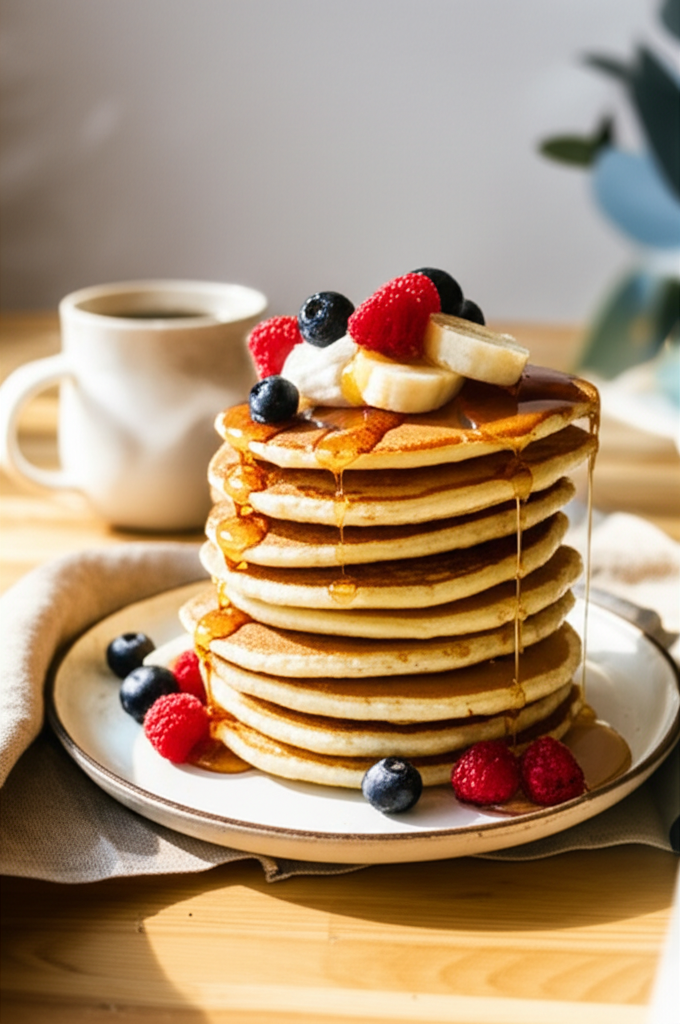
Yes, you can eat pancakes after a tooth extraction, but with important considerations for healing and comfort. Focus on soft, easy-to-chew pancake variations and avoid irritating ingredients or textures.
Getting a tooth extracted can feel like a big deal, and it’s totally normal to wonder about what you can and can’t eat afterwards! When you’re craving something comforting and familiar like pancakes, you might pause and ask, “Can I eat pancakes after tooth extraction?” The good news is, you probably can, but there are definitely some smart ways to enjoy them that will help your mouth heal smoothly. We’ll walk through exactly how to do it, so you can satisfy those pancake cravings without causing yourself any discomfort or delaying your recovery.
Why Soft Foods are Key After Tooth Extraction
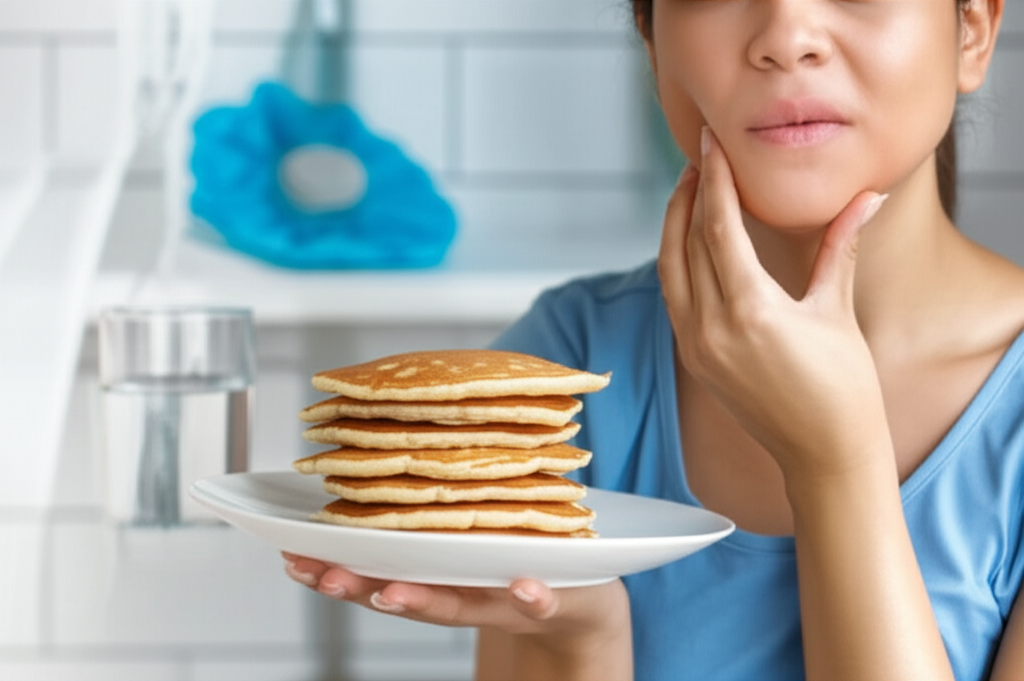
After a tooth extraction, your mouth needs time to heal. The extraction site, often a socket where the tooth was, is essentially an open wound. Your dentist will give you specific post-operative instructions, but generally, the aim is to protect this area to prevent infection, bleeding, and to encourage the formation of a blood clot, which is crucial for healing.
Eating soft foods helps in several ways:
Minimizes Discomfort: Hard or chewy foods can put pressure on the extraction site, causing pain.
Prevents Dislodging the Blood Clot: A dislodged blood clot can lead to a painful condition called dry socket.
Reduces Risk of Irritation: Small, hard food particles can get lodged in the socket and irritate the healing tissue.
Eases Chewing: You might be advised to chew on the opposite side of your mouth, or avoid chewing altogether for a period, making soft foods essential.
You can find more detailed post-operative care instructions from reputable sources like the Mayo Clinic, which emphasize the importance of diet in the healing process.
The “Pancake” Dilemma: What to Consider
Pancakes, in their classic form, can be a bit of a mixed bag after a tooth extraction. While the cooked pancake itself is soft, many common additions can be problematic.
Here’s what makes standard pancakes potentially tricky:
Chewy Toppings: Nuts, granola, or even overly crispy bacon bits are definite no-gos.
Seeds: Small seeds found in some batters or toppings can get stuck in the extraction site.
Crunchy Elements: Burnt edges or overly browned pancakes can be too hard.
Spicy or Acidic Ingredients: Some sauces or fruits might irritate the healing area.
Temperature: Very hot foods can increase bleeding or discomfort.
Your Go-To Guide: Soft & Soothing Pancake Options
The key to enjoying pancakes after a tooth extraction is to adapt the recipe and toppings to be as gentle and smooth as possible. Think of it as creating a “recovery pancake” experience!
Here’s how to make them work for you:
1. The Base Batter: Smooth is Best
Start with a simple, smooth pancake batter. The standard ingredients are usually fine, but pay attention to how you mix them.
Basic Pancake Ingredients:
1 cup all-purpose flour
2 tablespoons sugar
2 teaspoons baking powder
½ teaspoon salt
1 large egg
1 cup milk (any kind)
2 tablespoons melted butter or vegetable oil
Preparation Tips for Softness:
Don’t Overmix: Overmixing develops gluten, which can make pancakes tougher. Mix until just combined; a few lumps are okay.
Cook Thoroughly but Gently: Cook on medium heat. Avoid high heat, which can lead to burnt, crispy edges. Flip only when bubbles appear on the surface and the edges look set.
Avoid Over-Browning: Aim for a light golden brown, not dark or crispy.
2. Toppings: The Gentle Giants
This is where you can really customize for healing. The goal is smooth, bland, and cool or lukewarm.
Recommended Toppings:
Unsweetened Applesauce: Naturally soft and soothing.
Pureed Fruits: Like banana puree or very smooth berry purees (ensure no seeds).
Yogurt: Plain or vanilla yogurt provides a cool, creamy texture. Greek yogurt is thicker and works well.
Cottage Cheese: Another soft, protein-rich option.
Pudding or Custard: Smooth and easy to swallow.
Melted Butter: A simple, comforting addition.
Honey or Maple Syrup (in moderation): Use lukewarm and ensure it’s not too thick or sticky.
Soft Scrambled Eggs or Yogurt: While not typical pancake toppings, these can be eaten alongside your soft pancakes for a more complete meal.
Toppings to Absolutely Avoid:
Nuts and seeds
Granola
Hard fruits or fruit pieces (like whole berries with seeds)
Crispy bacon or anything chewy
Popcorn or crunchy cereals
Spicy sauces or jams
3. Texture Modifications: Extra Softness
If you’re really concerned about texture or have multiple extractions, consider these modifications:
Use a Blender: Blend your batter until very smooth. This can help create an even softer pancake.
Add Mashed Banana to the Batter: Incorporate a ripe, mashed banana into your batter for added moisture and softness.
Thinner Batter: A slightly thinner batter might cook up more tender.
Steam Instead of Fry (Advanced): For ultimate softness, you could try steaming pancake batter in small portions, though this is less traditional and might affect the flavor.
What to Drink with Your Pancakes
Staying hydrated is crucial for healing. When enjoying your recovery pancakes, opt for cool or lukewarm liquids.
Good Drink Choices:
Water
Milk
Smoothies (ensure no seeds or hard bits)
Herbal teas (lukewarm)
Juices (diluted if they are acidic)
Drinks to Avoid:
Hot beverages
Carbonated drinks (can irritate the site)
Alcohol
A Timeline for Your Pancake Indulgence
Your dentist will provide specific guidance, but here’s a general idea of when you might be able to enjoy different types of pancakes:
First 24-48 Hours: Focus on completely liquid and pureed foods. Think smoothies (made with soft fruits and yogurt), broths, and milkshakes (without a straw). Pancakes are generally not recommended during this immediate healing phase.
Days 3-7 (Initial Healing): This is often when you can start introducing very soft, mashed foods. This is where your modified, smooth pancakes with gentle toppings can be introduced. Ensure they are lukewarm and easy to swallow with minimal chewing.
After 1 Week (Further Healing): As your mouth feels better and your dentist gives the okay, you can gradually introduce slightly firmer textures. You might be able to handle regular pancakes with softer toppings, but still avoid anything hard or chewy.
Full Recovery: Once fully healed, you can likely enjoy your favorite pancakes with all the usual toppings, but always listen to your body and your dentist’s advice.
Essential Tools for Your Recovery Pancake Feast
You don’t need fancy equipment, but having the right tools can make preparing and eating your soft pancakes much easier.
Mixing Bowls: For preparing your batter.
Whisk or Fork: For mixing.
Measuring Cups and Spoons: For accurate ingredient ratios.
Non-stick Griddle or Frying Pan: Essential for easy pancake flipping and preventing sticking.
Spatula: A flexible spatula is best for gently lifting and flipping pancakes.
Blender (Optional): For pureeing fruits or creating extra-smooth batters.
Plate and Utensils: Use a smooth-edged spoon or fork if needed, and be mindful of your mouth.
Table: Pancake Topping Safety Guide Post-Extraction
| Topping Category | Examples | Safety Level Post-Extraction | Notes |
| :————— | :—————————————— | :————————— | :——————————————————- |
| Very Safe | Unsweetened Applesauce, Banana Puree | High | Smooth, no seeds, easy to swallow. |
| Safe | Plain Yogurt, Custard, Pudding, Melted Butter | Medium-High | Creamy, cool, requires minimal chewing. |
| Use with Caution | Lukewarm Maple Syrup, Diluted Juice | Medium | Ensure not too hot, sticky, or acidic. |
| Avoid | Nuts, Seeds, Granola, Hard Fruits, Crispy Bits | Low | Can get lodged, irritate, or require hard chewing. |
Frequently Asked Questions (FAQ)
Here are some common questions about eating pancakes after a tooth extraction:
Can I use a straw after a tooth extraction?
No, it is strongly advised to avoid using straws for at least the first 72 hours, and often longer. The suction created by using a straw can dislodge the crucial blood clot at the extraction site, leading to dry socket, a very painful condition. Stick to sipping directly from a cup.
What are the signs of dry socket?
Dry socket typically presents as severe pain that starts a few days after the extraction and may radiate to your ear. You might also notice a foul odor or taste in your mouth. If you suspect you have dry socket, contact your dentist immediately.
Should I rinse my mouth after a tooth extraction?
Your dentist will advise on rinsing. Typically, you should avoid rinsing vigorously for the first 24 hours. After that, gentle rinsing with warm salt water (½ teaspoon of salt in a cup of warm water) can help keep the area clean. Do not spit forcefully; let the water dribble out of your mouth.
Can I eat anything with seeds after extraction?
It’s best to avoid foods with small seeds, such as strawberries, raspberries, or sesame seeds, especially in the first week. These seeds can easily become lodged in the extraction site, leading to irritation and potential infection. Stick to seedless fruits or purees.
How long should I wait before eating solid foods?
This varies depending on the complexity of the extraction and your individual healing. For the first 24-48 hours, stick to liquids. After that, you can gradually introduce soft, pureed, and mashed foods. Your dentist will give you a specific timeline, but it can take anywhere from a few days to a couple of weeks before you can comfortably eat more solid or chewy foods.
Can I eat scrambled eggs after a tooth extraction?
Yes, scrambled eggs are an excellent soft food option after a tooth extraction. They are easy to chew (or require very little chewing), nutritious, and gentle on the mouth. Ensure they are not too hot.
Beyond Pancakes: Other Recovery-Friendly Meal Ideas
While pancakes are a great comfort food, remember to also incorporate other nutrient-rich, soft foods to aid your healing.
Soups and Broths: Creamy soups (like tomato or butternut squash) or clear broths are excellent. Ensure they are not too hot.
Mashed Potatoes or Sweet Potatoes: Smooth and filling.
Oatmeal or Porridge: Cooked until very soft.
Smoothies: Packed with fruits, vegetables, and yogurt.
Mashed Bananas or Avocado: Simple, healthy, and easy to eat.
Soft Fish: Like baked cod or salmon, flaked into small pieces.
* Soft Pasta: Overcooked pasta can be very soft.
Listen to Your Body and Your Dentist
The most important advice for eating after any dental procedure is to listen to your body and follow your dentist’s instructions precisely. Everyone heals differently, and what works for one person might not be ideal for another. If something feels painful or uncomfortable, stop eating it. Don’t hesitate to call your dentist’s office if you have any questions or concerns about your diet or healing process.
Conclusion
So, can you eat pancakes after a tooth extraction? Absolutely! With a few smart adjustments to your batter and a focus on smooth, gentle toppings, you can enjoy this beloved comfort food while supporting your mouth’s healing journey. Opt for pureed fruits, yogurt, or a drizzle of lukewarm syrup instead of crunchy or chewy additions. Remember to keep your foods lukewarm and avoid anything that requires vigorous chewing or could irritate the extraction site. By prioritizing soft textures and following your dentist’s care instructions, you can ease your cravings and ensure a smooth recovery, paving the way for many more delicious pancakes in your future! Happy (gentle) eating!
