

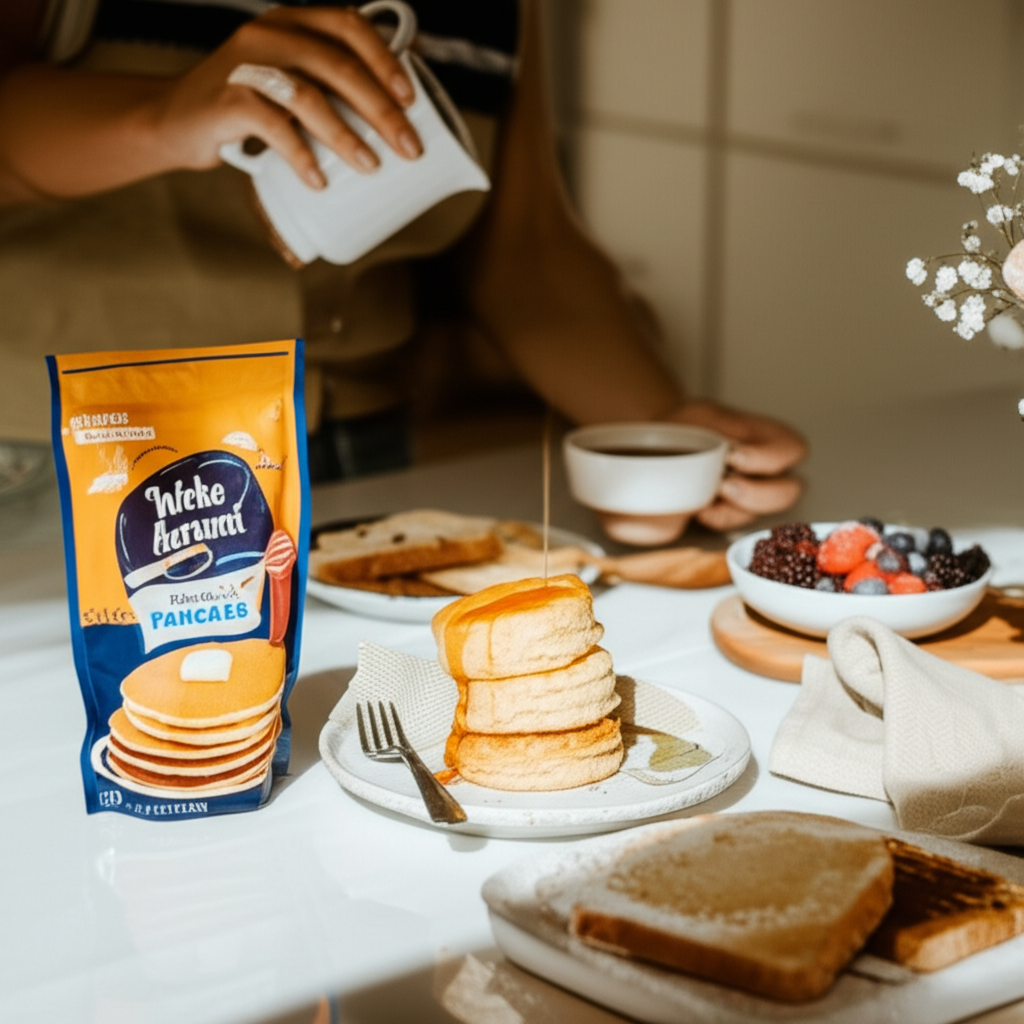
Yes, you can absolutely make delicious biscuits from pancake mix! It’s a surprisingly simple and effective hack for quick, fluffy biscuits when you’re craving a comforting treat. With a few adjustments, your favorite pancake mix can transform into a batch of delightful, golden-brown biscuits perfect for any meal.
Ever stared longingly at a box of pancake mix, wishing you could whip up some fluffy biscuits instead? You’re not alone! Many home cooks love the convenience of pancake mix but wonder if its magical properties extend to other breakfast favorites. The good news is, they absolutely do! Making biscuits from pancake mix isn’t just possible; it’s a brilliant shortcut that delivers satisfying results with minimal fuss.
This guide is here to show you exactly how to bridge that gap. We’ll break down the simple steps, explain the subtle differences, and give you the confidence to turn that familiar box into something wonderfully new. Get ready to discover a new favorite kitchen trick that’s perfect for busy mornings or anytime you need a quick, comforting bite. Let’s get started!
The Pancake Mix to Biscuit Magic: What You Need to Know
Pancake mix is designed to create light, airy batter for griddle cooking. Biscuits, on the other hand, require a slightly different texture, typically achieved with flour, fat, leavening agents, and liquid, cut together to form a dough that’s then baked. The clever part about using pancake mix for biscuits is that it already contains flour, sugar, leavening agents (like baking powder and baking soda), and often dried milk and salt. This means you’re already most of the way there!
The primary difference you’ll need to account for is the fat and the liquid. Pancake mixes often have a bit more sugar than a traditional biscuit recipe, which can lead to slightly sweeter biscuits. This isn’t a bad thing – it can make for a lovely, subtly sweet treat!
Why This Works: The Science (Simplified!)
Leavening: Pancake mixes contain baking powder and baking soda. When these react with liquid and heat, they produce carbon dioxide gas, which makes your biscuits rise and become fluffy.
Flour: The all-purpose flour in the mix provides the structure for your biscuits.
Sugar: The sugar contributes to browning and a slightly sweet flavor.
Dried Milk/Powdered Eggs (if included): These can add richness and a tender crumb to your biscuits.
What You’ll Need: Your Biscuit-Making Toolkit
You don’t need a lot of fancy equipment for this. Most of what you’ll need is probably already in your kitchen.
Pancake Mix: Your star ingredient! Any brand will work, but buttermilk pancake mixes often yield a slightly more classic biscuit flavor.
Fat: This is crucial for tenderness and flakiness.
Butter: Cold, unsalted butter is the gold standard for flavor and flaky layers.
Shortening: Will give you a very tender biscuit, though with less flavor than butter.
Oil: Can work in a pinch, but may result in a slightly denser, less flaky biscuit.
Liquid: This is what brings everything together into a dough.
Milk: Whole milk or 2% milk will give you the richest flavor.
Buttermilk: For an extra tangy, tender biscuit.
Water: A perfectly acceptable substitute if you don’t have milk.
A Bowl: For mixing.
A Pastry Blender or Your Fingers: To cut the fat into the mix.
A Baking Sheet: Lined with parchment paper or lightly greased.
An Oven: Preheated, of course!
The Step-by-Step Guide: From Mix to Marvelous Biscuits
Transforming pancake mix into biscuits is a straightforward process. The key is in how you combine the ingredients, particularly the fat. We’re aiming for a texture where the fat is cut into small pieces, which will melt in the oven and create steam, leading to those coveted flaky layers.
Step 1: Preheat Your Oven and Prep Your Pan
First things first, get your oven ready. Preheat it to 400°F (200°C). This higher temperature is essential for getting a good rise and a golden crust on your biscuits. While the oven heats up, line a baking sheet with parchment paper. This prevents sticking and makes cleanup a breeze.
Step 2: Measure and Combine Dry Ingredients
In a medium-sized mixing bowl, pour your pancake mix. The amount depends on how many biscuits you want to make. A standard 16-ounce (about 2 cups) box of pancake mix will yield about 8-10 biscuits.
Step 3: Cut in the Fat
This is arguably the most important step for biscuit texture. You want to use cold fat. If you’re using butter, cut it into small cubes. If you’re using shortening, you can cut it into pieces too.
Add your cold, cubed butter (or shortening) to the pancake mix. Now, using a pastry blender, two forks, or even your fingertips, work the fat into the dry ingredients. You’re aiming for a texture that resembles coarse crumbs or small peas. There should still be some visible pieces of fat; these are your future flaky layers!
Tip: If you’re using your fingers, work quickly to prevent the warmth from your hands from melting the butter too soon.
Step 4: Add the Liquid
Now it’s time to bring it all together. Make a well in the center of your crumbly mixture. Gradually add your chosen liquid (milk, buttermilk, or water) – start with about 1/2 cup for every 1.5 cups of pancake mix, and add more a tablespoon at a time as needed.
Gently stir with a fork until the mixture just starts to come together into a shaggy dough. Be careful not to overmix! Overmixing develops the gluten in the flour, which can lead to tough biscuits. You want a dough that’s moist enough to hold together but not sticky.
Step 5: Shape Your Biscuits
Turn the dough out onto a lightly floured surface. Gently pat or fold the dough a few times. This is called “laminating” and helps create those lovely layers. Don’t knead it like bread dough; just a few gentle folds will do.
Now, pat the dough into a circle or rectangle about 1/2 to 3/4 inch thick.
Option A: Drop Biscuits: If you want the easiest method, simply drop spoonfuls of the dough onto your prepared baking sheet. They will spread a bit as they bake.
Option B: Cut Biscuits: For more uniform, taller biscuits, use a biscuit cutter or a glass with a rim dipped in flour. Press straight down – don’t twist – as twisting can seal the edges and prevent rising. Reroll scraps gently, but be aware that overworking them can make them tough.
Step 6: Bake to Golden Perfection
Place your baking sheet into the preheated oven. Bake for 12-15 minutes, or until the biscuits are puffed up and golden brown on top and the bottoms are nicely browned as well.
Step 7: Serve and Enjoy!
Once baked, remove the biscuits from the oven. Serve them warm, perhaps with a smear of butter, jam, honey, or even alongside your favorite savory breakfast.
Customization and Variations: Elevate Your Biscuits
The beauty of this pancake mix biscuit hack is its adaptability. You can easily customize them to suit your taste.
Flavor Boosters
Herbs: Add finely chopped fresh herbs like chives, parsley, or rosemary to the dry ingredients for an savory kick.
Cheese: Grate some cheddar, Monterey Jack, or Parmesan cheese and mix it into the dough for cheesy biscuits.
Spices: A pinch of black pepper, garlic powder, or onion powder can transform these into savory delights.
Sweetness: For a sweeter biscuit, you can add a tablespoon or two of sugar to the mix, or a drizzle of honey on top before baking.
Texture Adjustments
For Softer Biscuits: Use milk or buttermilk. Don’t overmix the dough.
For Crispier Edges: Use a bit less liquid or pat the dough slightly thinner.
For Extra Flakiness: Ensure your butter is very cold and cut it into pea-sized pieces. Try folding the dough 2-3 times before cutting.
Troubleshooting Common Biscuit Blunders
Even with a simple recipe, things can sometimes go awry. Here are a few common issues and how to fix them:
Tough Biscuits: This is usually caused by overmixing the dough or overworking it when shaping. Mix just until combined and handle the dough as little as possible.
Flat Biscuits: Ensure your baking powder is fresh and that your oven is at the correct temperature. Also, make sure you’ve used enough fat and not too much liquid.
Dense Biscuits: Again, overmixing is a culprit. Also, using melted fat instead of cold, solid fat can lead to density.
* Uneven Baking: Rotate your baking sheet halfway through the baking time. Make sure your oven temperature is accurate. You can check your oven’s calibration with an oven thermometer, readily available from reputable retailers.
Frequently Asked Questions About Pancake Mix Biscuits
Here are answers to some common questions beginners might have when trying this creative recipe.
Can I use a “just add water” pancake mix?
Yes, you can! However, using a “just add water” mix might result in slightly less rich biscuits since they often omit milk powder or eggs. You might want to substitute water with milk for a better flavor and texture, but it will still work in a pinch.
How much liquid should I use?
This can vary depending on the pancake mix and humidity. Start with the lower end of the recommendation (e.g., 1/2 cup for 1.5 cups of mix) and add more a tablespoon at a time until the dough just comes together. It should be shaggy and slightly sticky, not wet and runny.
Can I make sweet biscuits using pancake mix?
Absolutely! Pancake mixes already contain sugar, so they naturally lean towards being a bit sweeter than traditional biscuit recipes. For even sweeter biscuits, you can add an extra tablespoon of sugar to the dry ingredients or drizzle honey or maple syrup over them before serving.
What kind of fat is best for pancake mix biscuits?
Cold butter is generally preferred for the best flavor and flakiest texture. However, cold shortening will also produce very tender biscuits. You can also use cold oil, but the texture might be slightly different, less flaky and more tender. Always ensure your fat is cold for optimal results.
How long do these biscuits last?
Homemade biscuits are best enjoyed fresh, within a day or two of baking. Store any leftovers in an airtight container or resealable bag at room temperature. To reheat, you can warm them in a toaster oven or a low oven for a few minutes to revive their texture.
Can I add other ingredients to the dough?
Yes, feel free to experiment! You can add shredded cheese, chopped herbs, spices like garlic powder or black pepper, or even a sprinkle of sugar for sweeter biscuits. Mix these additions in with the dry ingredients before adding the fat.
What’s the difference between pancake mix biscuits and regular biscuits?
The main difference lies in the pre-portioned ingredients of the pancake mix. Pancake mixes typically contain flour, leavening agents, sugar, salt, and sometimes dried milk or eggs. Regular biscuits are usually made from scratch using flour, baking powder, salt, fat (like butter or shortening), and milk or buttermilk. The sugar content in pancake mixes can also make the resulting biscuits slightly sweeter.
A Table of Comparison: Pancake Mix vs. Traditional Biscuits
To help you visualize the differences and similarities, here’s a quick comparison:
| Feature | Pancake Mix Biscuits | Traditional Scratch Biscuits |
|---|---|---|
| Primary Dry Ingredient | Pancake Mix (flour, leavening, sugar, salt, etc.) | All-Purpose Flour, Baking Powder, Salt |
| Fat for Tenderness/Flakiness | Butter, Shortening, or Oil (cut in) | Butter, Shortening, or Lard (cut in) |
| Liquid | Milk, Buttermilk, or Water | Milk, Buttermilk, or Water |
| Sweetness Level | Generally a bit sweeter due to added sugar in mix. | Less sweet; sweetness comes from added sugar if desired. |
| Preparation Ease | Very Easy – fewer ingredients to measure. | Requires measuring individual dry ingredients. |
| Flavor Profile | Slightly sweeter, can vary by mix brand. | More neutral, allowing full flavor of fat and liquid to shine. |
The Verdict: A Deliciously Simple Shortcut
So, can you make biscuits out of pancake mix? The answer is a resounding yes! It’s a fantastic pantry hack that offers a delightful shortcut to homemade biscuits. While they might have a slightly different flavor profile than traditional scratch-made biscuits, they are incredibly satisfying, fluffy, and perfectly suited for a quick breakfast, brunch, or side dish.
The ease of using a pre-made mix means you can whip up a batch of warm, comforting biscuits with minimal effort and fewer ingredients. Whether you’re a seasoned baker looking for a quick fix or a beginner cook wanting to impress, this method is a winner. It’s a testament to how versatile common pantry staples can be when you get a little creative.
Don’t be afraid to experiment with the additions mentioned earlier – herbs, cheese, or spices can transform these simple biscuits into something truly special. The next time you’re craving a warm, buttery biscuit but don’t want the fuss of a full scratch recipe, reach for that box of pancake mix. You might just discover your new favorite way to make biscuits! Enjoy your delicious, homemade creation!
