

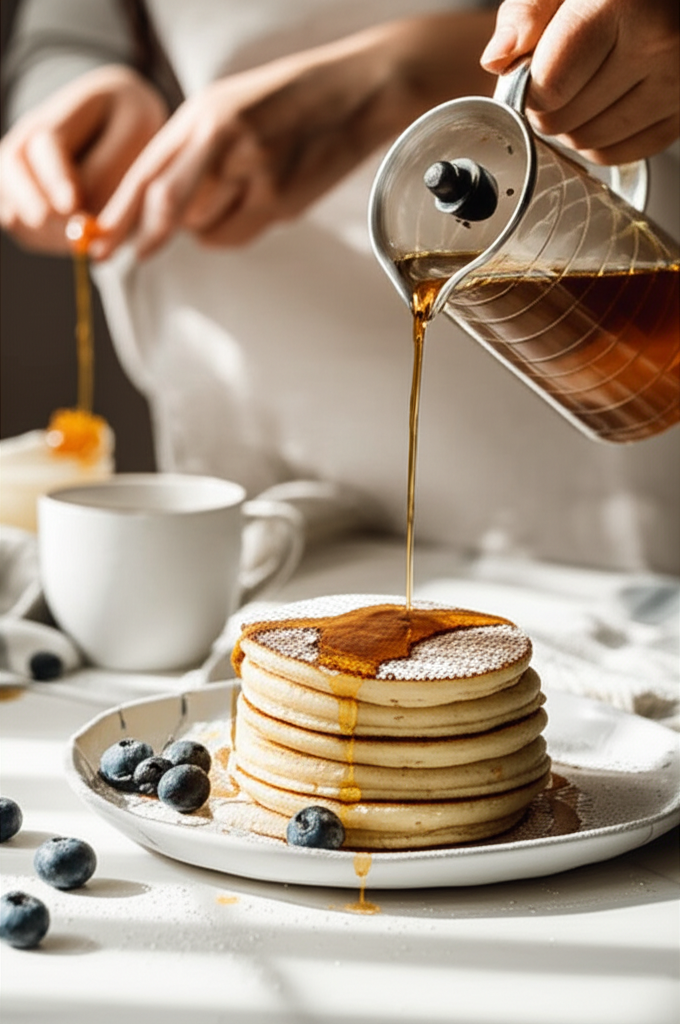
The calorie count for 3 pancakes can range significantly, typically from 200 to 600 calories, depending on ingredients and toppings. Our guide breaks down the factors and provides a clear estimate for your breakfast enjoyment.
How Many Calories in 3 Pancakes: Your Essential Guide
Pancakes are a breakfast staple, a fluffy cloud of deliciousness that many of us look forward to. But have you ever paused mid-bite and wondered, “Just how many calories are in these three pancakes?” It’s a common question, especially when you’re trying to keep track of your daily intake or simply want to understand your meal better. The good news is, figuring this out isn’t complicated. We’re here to demystify the calorie count, ingredient by ingredient, so you can enjoy your pancakes with confidence.
Many factors influence the final calorie tally, from the type of flour used to the amount of sugar and fat added, and of course, what you choose to put on top. This guide will walk you through the basics, giving you a clear picture of what you’re eating and how to make informed choices for a satisfying breakfast.
Understanding Pancake Calories: The Building Blocks
At its core, a pancake is made from a few simple ingredients. Each one contributes to the overall calorie count. Let’s break down the typical components of a basic pancake batter:
- Flour: This is usually the main ingredient. All-purpose flour is common, but whole wheat or gluten-free flours can also be used, each with slightly different calorie profiles.
- Milk: Whether you use whole milk, skim milk, or a non-dairy alternative like almond or soy milk, it adds calories, protein, and fat.
- Eggs: Eggs are a great source of protein and healthy fats, and they contribute to the richness and binding of the batter.
- Sugar: A touch of sweetness is often added, and sugar is a direct source of calories.
- Fat (Butter/Oil): This is crucial for both flavor and preventing sticking. Butter and oil are calorie-dense.
- Leavening Agents (Baking Powder/Soda): These don’t significantly add calories but are essential for fluffiness.
The size of your pancakes also plays a big role. A small, thin pancake will have fewer calories than a large, thick one. For our estimates, we’ll consider a standard medium-sized pancake, about 4-5 inches in diameter.
The Calorie Breakdown: A Standard Recipe
Let’s look at a common, classic pancake recipe and estimate the calories for three medium pancakes. This is a general guideline, as exact amounts can vary.
Typical Ingredients for 3 Pancakes:
- 1 cup All-Purpose Flour (approx. 120 calories per 1/4 cup)
- 1 cup Milk (whole milk: approx. 150 calories per cup)
- 1 Egg (approx. 70 calories)
- 2 tablespoons Sugar (approx. 50 calories per tablespoon)
- 2 tablespoons Butter (melted, approx. 100 calories per tablespoon)
- 1 teaspoon Baking Powder (negligible calories)
- Pinch of Salt (negligible calories)
If we were to make a batter with these ingredients and divide it into roughly three equal portions for medium pancakes, the batter itself (before cooking and toppings) might look something like this:
Estimated Calories per 3 Pancakes (Batter Only):
Flour (1 cup): ~480 calories
Milk (1 cup): ~150 calories
Egg (1): ~70 calories
Sugar (2 tbsp): ~100 calories
Butter (2 tbsp): ~200 calories
Total Estimated Batter Calories: ~1000 calories
Dividing this by the number of pancakes (assuming the batter makes about 6-8 medium pancakes), 3 pancakes would therefore be roughly 500-650 calories. This is the base, the delicious foundation before we add any of the fun stuff!
Factors Affecting Calorie Count
It’s important to remember that the numbers above are estimates. Several factors can significantly alter the calorie count of your three pancakes:
1. Size and Thickness:
A larger or thicker pancake uses more batter, thus more calories. If your “medium” pancakes are closer to large diner-style pancakes, your calorie count will be higher.
2. Type of Flour:
- All-Purpose Flour: Standard, around 120 calories per 1/4 cup.
- Whole Wheat Flour: Similar calorie count to all-purpose, but with more fiber.
- Gluten-Free Flours (e.g., almond flour, coconut flour): These can vary greatly. Almond flour is higher in calories and fat (around 160 calories per 1/4 cup), while coconut flour is lower in net carbs but can be denser.
- Self-Rising Flour: Contains flour, baking powder, and salt, so it doesn’t change the calorie count of the flour itself.
3. Type of Milk:
- Whole Milk: About 150 calories per cup.
- 2% Milk: About 120 calories per cup.
- Skim Milk: About 80 calories per cup.
- Almond Milk (unsweetened): Around 30-40 calories per cup.
- Soy Milk (unsweetened): Around 80 calories per cup.
4. Added Fats:
- Butter: Around 100 calories per tablespoon.
- Vegetable Oil: Around 120 calories per tablespoon.
- Margarine: Varies, but often similar to butter.
Using less fat in the batter or for cooking can reduce calories. For instance, cooking with a non-stick spray or a tiny bit of oil instead of a full tablespoon of butter can make a difference.
5. Sweeteners:
The amount and type of sugar used directly impact calories. Some recipes might call for honey, maple syrup, or artificial sweeteners, each with different calorie profiles.
6. Add-ins:
Mix-ins like chocolate chips, blueberries, or nuts will add calories. A handful of chocolate chips can easily add 50-100 calories.
Calorie Estimates for Different Pancake Types
To give you a clearer picture, here’s a table showing estimated calorie ranges for three medium pancakes made with different common ingredients, before adding toppings.
| Pancake Type | Estimated Calories (3 Medium Pancakes) |
|---|---|
| Basic All-Purpose Flour Pancakes (using whole milk, 2 tbsp butter, 2 tbsp sugar) | 500-650 calories |
| Whole Wheat Pancakes (using skim milk, 1 tbsp oil, 1 tbsp sugar) | 400-500 calories |
| Almond Flour Pancakes (using unsweetened almond milk, minimal oil, sugar substitute) | 350-450 calories |
| Buttermilk Pancakes (using buttermilk, 2 tbsp butter, 2 tbsp sugar) | 520-670 calories |
| Gluten-Free Blend Pancakes (varies by blend, assume similar to AP flour) | 480-630 calories |
As you can see, the variation can be quite substantial. The choice of ingredients truly matters!
The Calorie Impact of Toppings
Now, let’s talk about the delicious additions that can elevate your pancake experience – and your calorie count. Toppings are where the real calorie adventure begins!
Common Toppings and Their Estimated Calories (per serving):
- Maple Syrup: 1/4 cup (approx. 60ml) – ~215 calories
- Butter: 1 tablespoon – ~100 calories
- Whipped Cream: 1/2 cup – ~100-200 calories (depending on cream and sugar)
- Chocolate Chips: 2 tablespoons – ~100-120 calories
- Fresh Berries: 1 cup – ~50-80 calories
- Sliced Banana: 1 medium – ~105 calories
- Peanut Butter: 2 tablespoons – ~190 calories
- Powdered Sugar: 1 tablespoon – ~30 calories
- Jam/Preserves: 1 tablespoon – ~50 calories
Imagine your base 3 pancakes at 550 calories. Adding just 1/4 cup of maple syrup and a tablespoon of butter brings your total to a whopping 550 + 215 + 100 = 865 calories! That’s a significant portion of a typical daily calorie recommendation.
For a lighter option, three pancakes (around 450 calories) with a cup of fresh berries and a sprinkle of powdered sugar would be approximately 450 + 70 + 30 = 550 calories. Much more manageable!
Making Healthier Pancake Choices
If you’re mindful of calories or looking for healthier alternatives, here are some tips:
- Use Whole Grains: Opt for whole wheat flour or oat flour for added fiber and nutrients.
- Reduce Sugar: Cut down the sugar in the batter or use a natural sweetener like stevia or erythritol.
- Choose Lighter Liquids: Use skim milk or unsweetened plant-based milk.
- Lower Fat Content: Use a small amount of oil or cooking spray for the pan instead of butter. You can also experiment with applesauce or mashed banana as a fat substitute in the batter, though this can alter texture.
- Portion Control: Stick to smaller or medium-sized pancakes.
- Smart Toppings: Prioritize fresh fruits, a dollop of Greek yogurt, or a light drizzle of syrup.
Understanding the nutritional impact of your food can empower you to make choices that align with your health goals without sacrificing flavor.
DIY vs. Store-Bought Mixes
When it comes to convenience, pancake mixes are popular. However, their calorie content can vary, and they often contain added sugars and sodium. It’s always a good idea to check the nutrition label on the box.
A typical store-bought pancake mix, when prepared according to package directions, might yield about 3 medium pancakes (just the pancake itself) in the range of 250-400 calories. This often depends on whether the mix requires you to add milk, eggs, or oil, and what type of milk/oil you use.
For example, a mix that requires only water might be on the lower end, while one that calls for whole milk and butter will be higher. Making pancakes from scratch gives you complete control over the ingredients and, consequently, the calorie count.
Tips for Fluffy, Delicious Pancakes
Beyond calories, we all want pancakes that are light, fluffy, and delicious. Here are a few tried-and-true tips:
- Don’t Overmix: Mix the batter until just combined. A few lumps are perfectly fine! Overmixing develops gluten, leading to tough pancakes.
- Let the Batter Rest: Allowing the batter to sit for 5-10 minutes can help the flour hydrate and the gluten relax, resulting in tender pancakes.
- Proper Pan Temperature: Heat your griddle or pan to medium heat. Too hot and the outside burns before the inside cooks; too cool and they won’t get golden brown. A drop of water should sizzle and evaporate quickly.
- Use the Right Fat: A little butter or oil in the pan is essential. Wipe out excess fat between batches to prevent burning.
- Flip Once: Wait until you see bubbles forming on the surface and the edges look set before flipping. Then, cook the other side until golden brown.
For more detailed guidance on achieving the perfect pancake texture, you might find resources from culinary schools or food science websites helpful. For instance, Food Network often shares excellent tips on pancake perfection.
Frequently Asked Questions (FAQ)
Q1: Are pancakes generally unhealthy?
A: Pancakes themselves aren’t inherently unhealthy; it’s the preparation and toppings that often make them calorie-dense. A basic pancake made with whole grains, less sugar, and topped with fruit can be a balanced part of a meal.
Q2: How can I make pancakes with fewer calories?
A: Use whole wheat flour, skim milk or unsweetened almond milk, reduce sugar in the batter, and opt for healthy toppings like fresh fruit instead of syrup and butter.
Q3: Do different types of milk affect pancake calories significantly?
A: Yes, significantly. Using skim milk or unsweetened almond milk instead of whole milk can save a considerable amount of calories per serving.
Q4: Is it better to make pancakes from scratch or use a mix?
A: Making them from scratch gives you full control over ingredients, allowing for healthier choices. Store-bought mixes can be convenient but often contain added sugars, sodium, and preservatives. Always check the nutrition label.
Q5: How many calories are in 3 pancakes with typical toppings like syrup and butter?
A: Three medium pancakes (around 550 calories) with 1/4 cup maple syrup and 1 tablespoon of butter can easily reach 865 calories or more.
Q6: Can I freeze leftover pancakes?
A: Yes, pancakes freeze very well. Once cooled, stack them with parchment paper in between and store in a freezer-safe bag or container for up to 2-3 months. Reheat in a toaster, oven, or microwave.
Q7: What are some healthy topping alternatives to syrup?
A: Fresh berries, sliced banana, a dollop of plain Greek yogurt, a sprinkle of cinnamon, or a small amount of sugar-free syrup are great healthy topping options.
Conclusion
Understanding how many calories are in 3 pancakes is all about knowing your ingredients and your portion sizes. From a basic batter to the final flourish of toppings, each element plays a role. Whether you’re aiming for a lighter breakfast or indulging in a classic treat, this guide provides the insights you need to make delicious pancakes that fit your lifestyle. Remember, the kitchen is your playground – experiment with ingredients, discover your favorite healthy swaps, and most importantly, enjoy every fluffy, golden bite!
