

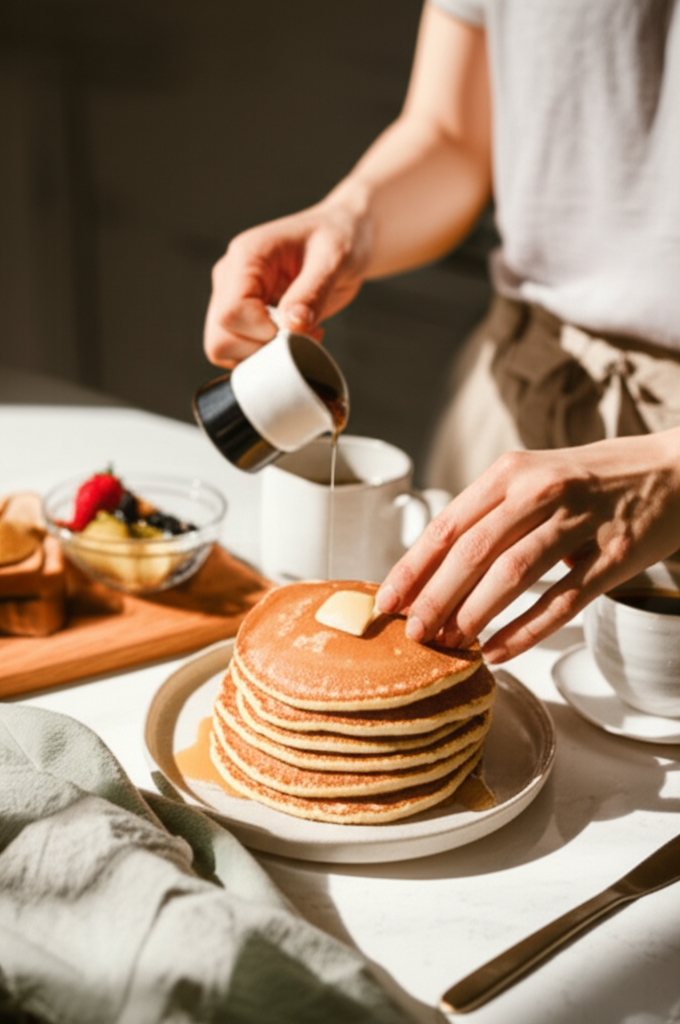
Effortlessly fluffy pancakes are a breeze with this simple self-rising flour recipe! No special ingredients or techniques needed for perfect, golden-brown results every time.
Making pancakes at home can sometimes feel like a culinary puzzle, especially when you’re just starting out. You might wonder, “How do you make pancakes with self-rising flour?” Many home cooks find that their pancakes can be too flat, too dense, or just not quite right. It can be a little disheartening when you’re aiming for that perfect breakfast treat. But don’t worry! With a few simple tips and a straightforward recipe, you can achieve wonderfully light and fluffy pancakes every single time. This guide will walk you through everything you need to know, making pancake-making an enjoyable and successful part of your routine. Get ready to master the art of the perfect pancake!
Why Self-Rising Flour is Your Pancake Best Friend
Self-rising flour is a fantastic shortcut for making delicious pancakes. It’s essentially all-purpose flour with baking powder and salt already mixed in. This pre-measured leavening agent means you don’t have to worry about adding separate baking powder and salt, which can sometimes be tricky for beginners.
Here’s why it’s so great for pancakes:
Simplicity: Fewer ingredients to measure means less fuss in the kitchen.
Reliability: The leavening is already balanced, giving you consistent results.
Fluffiness: The baking powder in self-rising flour creates those lovely, airy bubbles that make pancakes light and fluffy.
For a deeper dive into the science of baking and leavening agents, you can explore resources from organizations like the U.S. Department of Agriculture (USDA) on food science basics, which can help explain how ingredients interact.
Your Effortless Self-Rising Flour Pancake Recipe
This recipe is designed for ease and deliciousness. It’s perfect for a weekend breakfast, a quick weekday treat, or even a fun family activity.
Ingredients You’ll Need
Gathering your ingredients is the first step to pancake success. For this simple recipe, you’ll only need a few pantry staples.
1 ½ cups self-rising flour
1 tablespoon granulated sugar
1 large egg
1 ¼ cups milk (you can use whole, 2%, or even a dairy-free alternative like almond or soy milk)
2 tablespoons unsalted butter, melted, plus more for cooking
Equipment Essentials
Having the right tools makes the process smooth. You don’t need anything fancy!
Large mixing bowl
Whisk
Measuring cups and spoons
Spatula
Griddle or non-stick frying pan
Ladle or ¼ cup measuring cup for pouring batter
Step-by-Step Pancake Perfection
Follow these simple steps, and you’ll be enjoying delicious pancakes in no time!
1. Combine Dry Ingredients: In your large mixing bowl, add the self-rising flour and granulated sugar. Whisk them together to ensure they are evenly distributed. This helps prevent pockets of sugar or flour in your pancakes.
2. Add Wet Ingredients: Make a well in the center of the dry ingredients. Crack the egg into the well. Pour in the milk and the melted butter.
3. Mix the Batter: Gently whisk the wet ingredients into the dry ingredients. Mix until just combined. It’s important not to overmix! A few small lumps in the batter are perfectly fine – in fact, overmixing can lead to tough pancakes. The batter should be thick but pourable.
4. Preheat Your Griddle: Heat your griddle or non-stick frying pan over medium heat. You can test if it’s ready by flicking a few drops of water onto the surface. If they sizzle and evaporate quickly, it’s hot enough.
5. Butter the Griddle: Lightly grease the hot griddle with a little butter or cooking spray. This prevents sticking and helps create that beautiful golden-brown crust.
6. Pour the Batter: Using a ladle or a ¼ cup measuring cup, pour the batter onto the hot griddle to form pancakes of your desired size. Leave some space between them so they don’t run into each other.
7. Cook the First Side: Cook for about 2-3 minutes, or until you see bubbles forming on the surface of the pancake and the edges look set.
8. Flip and Cook: Gently slide your spatula under the pancake and flip it over. Cook the other side for another 1-2 minutes, until golden brown and cooked through.
9. Serve Warm: Remove the pancakes from the griddle and serve immediately with your favorite toppings like maple syrup, butter, fresh fruit, or whipped cream.
Batter Consistency: The Secret to Fluffy Pancakes
The consistency of your pancake batter is key to achieving that desirable fluffy texture. Self-rising flour helps, but the batter itself plays a big role.
Too Thick: If your batter is too thick, your pancakes might be dense and heavy. You can thin it out by adding a tablespoon of milk at a time until it reaches a pourable consistency.
Too Thin: If the batter is too thin, your pancakes might spread too much and become flat and crispy around the edges. Try adding a tablespoon of self-rising flour at a time until it thickens slightly.
The ideal batter for self-rising flour pancakes should be thick enough to hold its shape when poured, but still fluid enough to spread slightly on the griddle. It should flow off your ladle in a thick ribbon.
Tips for the Ultimate Pancake Experience
Elevate your pancake game with these simple tips and tricks.
Don’t Overmix!
This is perhaps the most crucial tip for fluffy pancakes. When you overmix the batter, you develop the gluten in the flour more than necessary. This can lead to tough, rubbery pancakes instead of light, tender ones. Mix until the ingredients are just combined, and don’t worry about those few lumps!
Let the Batter Rest (Optional but Recommended)
Allowing the batter to rest for 5-10 minutes after mixing can make a difference. This lets the flour hydrate fully and gives the baking powder a head start, potentially leading to even fluffier pancakes.
Control Your Heat
Cooking pancakes on the right heat is essential.
Too Hot: The outside will burn before the inside cooks, and they won’t get that even golden color.
Too Cool: The pancakes will cook slowly, absorb too much grease, and might not get as fluffy.
Medium heat is usually the sweet spot. If you’re unsure, start with medium and adjust as needed.
The Flip Technique
A confident flip is a hallmark of a good pancake maker! When you see those bubbles and the edges look set, slide your spatula underneath, lift slightly, and with a quick wrist motion, flip it over. Don’t be afraid to try it – practice makes perfect!
Keep Them Warm
If you’re making a big batch, you can keep your cooked pancakes warm while you finish the rest. Place them on a baking sheet in a low oven (around 200°F or 95°C).
Customizing Your Pancakes
While the basic recipe is delicious on its own, you can easily add your own flair!
Add-Ins
Gently fold in any of these into the batter just before cooking:
Fresh Berries: Blueberries, raspberries, or sliced strawberries.
Chocolate Chips: Mini or regular.
Banana Slices: For a sweet, fruity twist.
Spices: A pinch of cinnamon or nutmeg adds warmth.
Flavor Enhancers
You can also add a touch of flavor directly to the batter:
Vanilla Extract: ½ teaspoon adds a lovely aroma and taste.
Lemon Zest: A teaspoon of finely grated lemon zest provides a bright, fresh flavor.
Here’s a quick look at how different add-ins might affect your batter:
| Add-In | Effect on Batter Consistency | Cooking Consideration |
| :—————- | :————————— | :——————————————————- |
| Blueberries | Minimal | May cause slight sticking; ensure good griddle coating. |
| Chocolate Chips | Minimal | Can burn if griddle is too hot; cook evenly. |
| Banana Slices | Can thicken slightly | May cook faster due to natural sugars; monitor closely. |
| Cinnamon/Nutmeg | None | Blends well; no change in cooking. |
| Vanilla Extract | None | Enhances flavor; no change in cooking. |
| Lemon Zest | None | Adds bright flavor; no change in cooking. |
Troubleshooting Common Pancake Problems
Even with the best recipes, sometimes things don’t go perfectly. Here are solutions to common issues.
Pancakes are Flat
Cause: Old or inactive baking powder (not an issue with self-rising flour if it’s fresh), overmixing the batter, or not enough leavening.
Solution: Ensure your self-rising flour is not expired. Avoid overmixing. If using self-rising flour and they’re still flat, your flour might be old.
Pancakes Stick to the Griddle
Cause: Griddle not hot enough, not enough butter/oil, or not waiting for the pancake to set before flipping.
Solution: Ensure your griddle is properly preheated. Use enough butter or cooking spray. Wait for bubbles to form and edges to look cooked before attempting to flip.
Pancakes are Burnt on the Outside, Raw on the Inside
Cause: Griddle is too hot.
Solution: Reduce the heat to medium or medium-low. Allow the pancakes to cook through at a more moderate temperature.
Pancakes are Tough or Rubbery
Cause: Overmixing the batter.
Solution: Mix the batter only until the ingredients are just combined. A few lumps are good!
Frequently Asked Questions (FAQ)
Q1: Can I use self-rising flour if the recipe calls for all-purpose flour?
A1: Yes, you can, but you’ll need to adjust the leavening. For every cup of all-purpose flour, use 1 cup of self-rising flour and omit the baking powder and salt called for in the original recipe.
Q2: How do I know if my self-rising flour is still good?
A2: Self-rising flour contains leavening agents that lose potency over time. To test it, mix a teaspoon of self-rising flour with a tablespoon of water. If it fizzes vigorously, it’s still active. If there’s little to no fizz, it’s time to get a new bag.
Q3: My pancakes are too dense. What did I do wrong?
A3: The most common reason for dense pancakes is overmixing the batter. Mix only until the dry and wet ingredients are just combined. A few lumps are perfectly fine and will result in lighter pancakes.
Q4: How can I make my pancakes fluffier?
A4: Ensure your self-rising flour is fresh. Avoid overmixing the batter. Letting the batter rest for 5-10 minutes before cooking can also help create fluffier pancakes by allowing the leavening agents to activate.
Q5: Can I make the pancake batter ahead of time?
A5: It’s best to make the batter just before you plan to cook. While you can technically store it in the refrigerator for a short period, the leavening agents will start to lose their effectiveness, potentially resulting in flatter pancakes.
Q6: What is the best way to measure flour for pancakes?
A6: For the most accurate measurement, use the “spoon and level” method. Spoon the flour into your measuring cup until it’s overflowing, then level off the excess with a straight edge like the back of a knife. Avoid scooping directly from the bag, as this can pack the flour too tightly.
Q7: Can I make gluten-free pancakes with self-rising flour?
A7: Standard self-rising flour contains wheat. To make gluten-free pancakes, you would need to use a gluten-free self-rising flour blend or a gluten-free all-purpose flour with added gluten-free leavening agents.
The Joy of Homemade Pancakes
There’s a special kind of joy that comes from making pancakes from scratch. It’s a simple pleasure that brings smiles to faces, especially for families. Using self-rising flour makes this joy even more accessible, taking away some of the guesswork and allowing you to focus on the fun part – enjoying delicious, homemade pancakes.
Whether you’re a seasoned cook or just starting your culinary adventure, this recipe is designed to be your reliable go-to. It proves that you don’t need complex techniques or exotic ingredients to create a fantastic breakfast. The aroma of pancakes cooking, the sight of them turning golden brown, and the first fluffy bite are all part of the satisfying experience.
So, next time you’re craving a comforting and delicious breakfast, reach for that bag of self-rising flour. You’ve got this! Enjoy the process, experiment with your favorite toppings, and savor the simple, wonderful taste of perfectly made pancakes. Happy cooking!
