

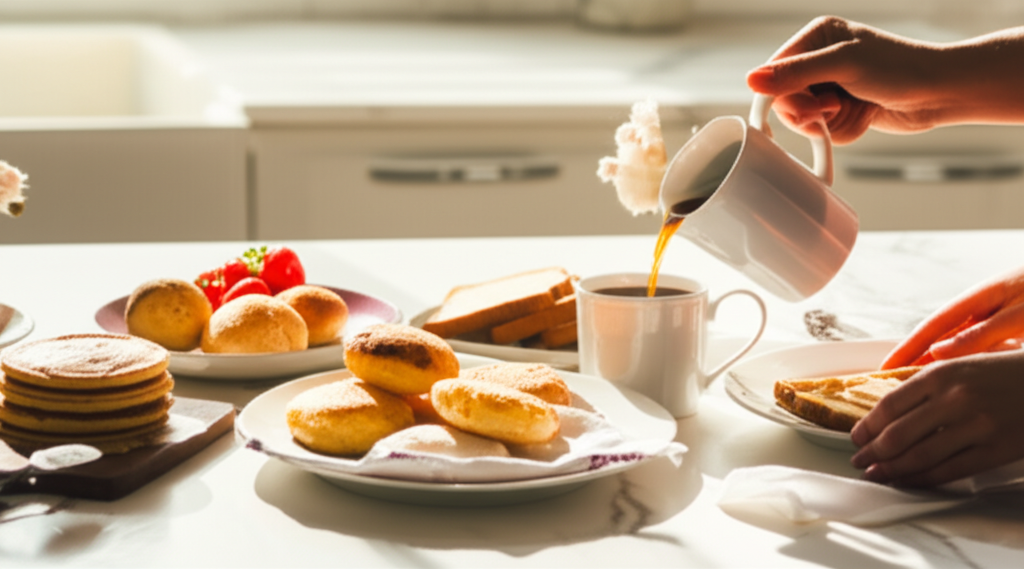
Colombian breakfast recipes are surprisingly simple, incredibly delicious, and packed with comforting flavors. This guide makes mastering essential Colombian breakfast dishes easy for any home cook, no matter your experience level.
Mornings can sometimes feel like a rush, right? You want something tasty and satisfying, but the thought of a complicated recipe can be a total mood killer. Many of us feel stuck in a breakfast rut, making the same old thing day after day. But what if I told you there are some absolutely genius, yet wonderfully simple, Colombian breakfast recipes that will transform your mornings? These aren’t fancy dishes that require special equipment or a culinary degree. They are hearty, flavorful, and designed to be made with everyday ingredients, bringing a little bit of Colombian sunshine right to your kitchen table. Get ready to discover how easy and fun making a delicious, authentic Colombian breakfast can be!
Why Colombian Breakfasts are a Morning Game-Changer
Colombian breakfasts are a delightful departure from the usual toast and cereal. They are known for being robust, flavorful, and surprisingly easy to prepare, making them perfect for busy mornings or leisurely weekend brunches. These meals often feature a wonderful balance of carbohydrates, proteins, and healthy fats, providing sustained energy to start your day. The magic lies in their simplicity and the use of fresh, readily available ingredients. Forget complicated techniques; we’re talking about delicious, soul-warming food that’s accessible to everyone.
What makes them truly “genius” is how they satisfy your hunger without being overly heavy, and how a few key ingredients can create such incredible depth of flavor. They’re also incredibly versatile, allowing for personal touches and adaptations.
Essential Colombian Breakfast Dishes You Need to Try
Let’s dive into some of the stars of the Colombian breakfast table. These are the dishes that are truly foundational and widely loved across the country.
1. Arepas: The Versatile Corn Cakes
Arepas are probably the most iconic Colombian breakfast food, and for good reason! These cornmeal patties are incredibly versatile and can be enjoyed in countless ways.
What are Arepas?
Arepas are made from a special type of pre-cooked cornmeal called masarepa. This is not the same as cornmeal or polenta you might find in other countries. It’s important to use masarepa for the authentic texture and flavor. You can usually find it in Latin American grocery stores or the international aisle of larger supermarkets.
Basic Arepa Recipe
This is a foundational recipe. Once you master it, you can experiment with fillings and toppings.
Ingredients:
2 cups masarepa (pre-cooked white or yellow cornmeal)
2 ½ cups warm water
1 teaspoon salt
Optional: 1 tablespoon butter or oil for richness
Equipment:
Mixing bowl
Spatula or wooden spoon
Griddle or non-stick frying pan
Instructions:
1. Combine Ingredients: In a mixing bowl, combine the masarepa and salt.
2. Add Water: Gradually add the warm water while mixing with your hands or a spatula. Mix until a soft dough forms. If it feels too dry, add a little more water, a tablespoon at a time. If it feels too wet, add a bit more masarepa.
3. Knead (Briefly): Knead the dough gently for about 1-2 minutes until it’s smooth and holds together well. It should feel slightly sticky but manageable.
4. Form Patties: Take a portion of the dough (about ½ cup) and roll it into a ball. Then, flatten it into a disc about ½ inch thick and 3-4 inches in diameter. You can do this by pressing it between your palms or using a flat dish. Ensure the edges are smooth to prevent cracking.
5. Cook: Heat a lightly oiled griddle or non-stick pan over medium heat.
6. Grill: Place the arepas on the hot griddle. Cook for about 5-7 minutes per side, or until they are golden brown and have a slightly crispy exterior. They should sound hollow when tapped.
7. Serve: Serve hot. You can split them open and fill them with cheese, butter, avocado, or eggs.
Popular Arepa Toppings and Fillings:
Queso: Melted cheese, often a mild white cheese like queso fresco or mozzarella.
Hogao: A simple Colombian tomato and onion sofrito, perfect for a savory breakfast.
Perico: Scrambled eggs cooked with finely chopped tomatoes and onions.
Avocado: Sliced or mashed avocado.
Butter: A classic, simple topping.
2. Perico: The Scrambled Egg Classic
Perico is a flavorful Colombian-style scrambled egg dish that’s incredibly easy to make and pairs perfectly with arepas or a side of toast. The key is cooking the eggs with finely chopped tomatoes and onions, which adds moisture and a lovely sweet-savory flavor.
What Makes Perico Special?
The magic of Perico lies in its simplicity and the way the tomatoes and onions meld with the eggs. It’s a quick way to elevate scrambled eggs from ordinary to extraordinary.
Ingredients:
2-3 large eggs
¼ cup finely chopped ripe tomato (seeds removed)
2 tablespoons finely chopped white or yellow onion
1 tablespoon butter or oil
Salt and pepper to taste
Optional: Chopped cilantro for garnish
Equipment:
Small non-stick frying pan
Whisk or fork
Spatula
Instructions:
1. Sauté Aromatics: Heat the butter or oil in a non-stick frying pan over medium-low heat. Add the chopped onion and sauté for 2-3 minutes until softened and translucent.
2. Add Tomato: Add the finely chopped tomato to the pan. Cook for another 2-3 minutes, stirring occasionally, until the tomato softens and releases some of its juices.
3. Prepare Eggs: While the vegetables are cooking, crack the eggs into a small bowl. Add salt and pepper. Whisk them well until the yolks and whites are completely combined.
4. Scramble: Pour the whisked eggs into the pan with the sautéed vegetables.
5. Cook Gently: Let the eggs set slightly around the edges, then gently push them towards the center with a spatula, allowing the uncooked egg to flow to the edges. Continue this process, stirring and folding gently, until the eggs are cooked to your desired consistency. Avoid overcooking; they should be moist and creamy.
6. Serve: Serve immediately. Garnish with fresh cilantro if desired. Perico is fantastic with arepas or toast.
3. Calentado: The Flavorful Leftover Reinvention
Calentado is a beloved Colombian breakfast dish that’s a brilliant way to use up leftovers from the previous night’s dinner, typically rice, beans, and meat. It’s not just about recycling food; it’s about creating a new, hearty, and incredibly flavorful meal.
The Genius of Calentado
Calentado is the ultimate comfort food. It’s a warm, savory, and satisfying way to start the day, transforming simple ingredients into something truly special. It’s also a fantastic way to reduce food waste.
What You’ll Need (Typically):
Cooked rice (white or brown)
Cooked beans (red beans, pinto beans, or lentils)
Leftover cooked meat (e.g., shredded chicken, ground beef, pork)
Aromatics: Finely chopped onion and garlic
Fat: Butter, oil, or lard
Seasonings: Salt, pepper, cumin, aji (Colombian hot sauce, optional)
Optional additions: Fried or scrambled eggs, avocado, a side of arepa or plantain.
How to Make Calentado:
1. Prepare the Base: In a skillet or pot, heat a tablespoon of butter or oil over medium heat. Add chopped onion and garlic and sauté until fragrant and softened (about 2-3 minutes).
2. Add Leftovers: Add your leftover rice, beans, and any cooked meats. Break up any clumps of rice or beans.
3. Season: Stir in salt, pepper, and cumin to taste. If you have them, add a splash of hogao or a bit of aji for extra flavor.
4. Cook and Combine: Stir everything together well and cook over medium heat, stirring occasionally, until everything is heated through and the flavors have melded. The rice might get slightly crispy, which is a good thing!
5. Serve: Serve hot. Calentado is often topped with a fried egg and a side of avocado.
Calentado Variations Table
| Type of Calentado | Key Ingredients | Flavor Profile |
| :—————- | :——————————————————- | :—————————————————– |
| Calentado Paisa | Rice, beans (often red beans), shredded beef or pork, plantain | Hearty, savory, slightly sweet from plantain |
| Calentado de Lentejas | Rice, lentils, vegetables (e.g., carrots, peas) | Earthy, protein-rich, vegetarian-friendly |
| Calentado de Gallina | Rice, beans, shredded chicken, corn | Lighter, savory, comforting |
4. Changua: The Comforting Milk Soup
Changua is a unique and comforting Colombian breakfast soup, particularly popular in the Andean region. It’s made with milk, water, potatoes, eggs, and scallions, creating a surprisingly savory and deeply satisfying dish.
Why Try Changua?
It’s an unexpected breakfast item for many, but its warmth and creamy texture are incredibly soothing, especially on cooler mornings. It’s a complete meal in a bowl, offering a different kind of breakfast experience.
Ingredients:
2 cups milk
1 cup water
1 medium potato, peeled and diced small
2 scallions (green onions), white and green parts separated and finely chopped
2 eggs
Salt and pepper to taste
Optional: Cilantro for garnish, a knob of butter, a slice of stale bread or toast for dipping.
Equipment:
Medium saucepan
Whisk or fork
Small bowl for poaching eggs (optional)
Instructions:
1. Simmer Potatoes: In a medium saucepan, combine the milk, water, diced potato, and the white parts of the scallions. Bring to a simmer over medium heat.
2. Cook Potatoes: Reduce heat to low and let it simmer gently for about 10-15 minutes, or until the potatoes are very tender.
3. Season: Season the soup with salt and pepper to taste. Stir in a knob of butter if desired for extra richness.
4. Add Eggs: You have two options for adding the eggs:
Poached: Gently crack an egg into the simmering soup and poach it until the white is set but the yolk is still runny (about 2-3 minutes). Repeat with the second egg.
Scrambled: Whisk the eggs in a bowl with a pinch of salt and pepper. Slowly drizzle the whisked eggs into the simmering soup while stirring gently to create ribbons of cooked egg.
5. Serve: Ladle the changua into bowls. Garnish with the chopped green parts of the scallions and fresh cilantro. Serve hot, often with a piece of bread or toast for dipping.
5. Patacones (Tostones): Fried Green Plantains
While often seen as a side dish, fried green plantains, known as patacones or tostones, are a fantastic and filling component of a Colombian breakfast, especially when served with eggs, cheese, or hogao.
What are Patacones?
Patacones are made from unripe, green plantains that are sliced, fried, smashed, and then fried again until crispy. This double-frying process creates an incredibly satisfying crunch.
Ingredients:
2 green (unripe) plantains
Vegetable oil for frying (about 2-3 inches in a pot or deep skillet)
Salt to taste
Equipment:
Sharp knife
Cutting board
Heavy-bottomed pot or deep skillet for frying
Slotted spoon or spider strainer
Paper towels
A flat object for smashing (e.g., the bottom of a glass, a small plate, or a tostonera)
Instructions:
1. Prepare Plantains: Cut off the ends of the plantains. Make a shallow slit lengthwise down the peel, just through the skin. Use your fingers or a knife to peel off the skin. Cut each plantain into 1.5 to 2-inch thick pieces.
2. First Fry: Heat the vegetable oil in your pot or skillet over medium-high heat until it reaches about 325°F (160°C). Carefully add the plantain pieces. Fry for about 3-5 minutes, until they are lightly golden and tender but not yet crispy. They should be easily pierced with a fork.
3. Smash: Remove the plantain pieces from the oil with a slotted spoon and place them on a cutting board lined with paper towels. Let them cool for a minute or two. Then, using a flat object, press down firmly on each piece to flatten them into discs about ½ inch thick.
4. Second Fry: Increase the oil temperature to about 350-375°F (175-190°C). Carefully return the smashed plantains to the hot oil. Fry for another 2-3 minutes per side, until golden brown and crispy.
5. Season: Remove the patacones from the oil and place them on fresh paper towels to drain excess oil. Immediately sprinkle them with salt.
6. Serve: Serve hot as a side to eggs, cheese, or hogao.
Putting It All Together: A Colombian Breakfast Plate
The beauty of Colombian breakfasts is how well these elements combine. A typical plate might feature:
A couple of fluffy arepas, perhaps filled with cheese.
A generous serving of flavorful Perico.
A side of crispy patacones.
A slice of avocado.
A small bowl of black coffee (tinto) or a glass of fresh juice.
This combination offers a satisfying mix of textures and flavors – the soft chew of the arepa, the creamy eggs, the crisp plantain, and the richness of the avocado.
Essential Tools for Your Colombian Breakfast Journey
You don’t need a kitchen full of gadgets to make these delicious breakfasts. Here are the basics:
Mixing Bowls: For preparing dough and whisking eggs.
Non-stick Frying Pan: Crucial for eggs and arepas.
Griddle or Cast Iron Pan: Ideal for cooking multiple arepas.
Spatula: A good heat-resistant spatula is a must.
Knife and Cutting Board: For chopping vegetables and plantains.
Pot for Frying: For patacones.
Slotted Spoon: For safely removing fried items from oil.
Paper Towels: For draining fried foods.
That’s really it! Most of these are standard kitchen items.
Nutritional Considerations
Colombian breakfasts are often quite balanced. The masarepa in arepas provides complex carbohydrates. Eggs offer protein and healthy fats. Beans (if included in calentado) add fiber and protein. Plantains are a good source of potassium and carbohydrates. As with any meal, portion sizes and preparation methods matter. Opting for less oil when frying and including plenty of fresh ingredients like tomatoes, onions, and avocado contributes to a healthier meal. For instance, the U.S. Department of Agriculture (USDA) MyPlate guidelines emphasize balancing your plate with fruits, vegetables, grains, protein, and dairy, all of which can be incorporated into these Colombian breakfast dishes.
Frequently Asked Questions
Q1: What is masarepa and where can I find it?
A1: Masarepa is pre-cooked cornmeal specifically processed for making arepas, tortillas, and tamales. It has a unique texture that regular cornmeal or masa harina (used for Mexican tortillas) can’t replicate. You can usually find it in Latin American grocery stores or in the international foods aisle of larger supermarkets.
Q2: Can I make arepas ahead of time?
A2: You can prepare the arepa dough and refrigerate it for a day or two. You can also pre-cook the arepas until they are lightly golden and then finish cooking them on the griddle just before serving to make them warm and fresh.
Q3: My arepas are cracking when I flatten them. What am I doing wrong?
A3: Cracking usually means the dough is too dry or you’re not pressing the edges smoothly. Make sure the dough is soft and pliable – add a little more water if it feels crumbly. When flattening, use your palms to create a smooth, even edge.
Q4: Is changua really a soup for breakfast?
A4: Yes, absolutely! In many parts of Colombia, especially the cooler Andean regions, a warm, savory soup like changua is a traditional and comforting breakfast. It’s hearty enough to be a complete meal and is perfect for starting the day.
Q5: What kind of cheese is typically used in Colombian breakfasts?
A5: Mild, white cheeses are common. Think of a fresh, slightly salty cheese like queso fresco, or even a good melting cheese like mozzarella or a mild Monterey Jack if you can’t find traditional Colombian cheeses. The key is a flavor that complements, rather than overpowers, the other ingredients.
Q6: Can I make calentado with any leftovers?
A6: Yes, calentado is designed for leftovers! While rice and beans are the most common base, you can use virtually any cooked meat, vegetables, or even pasta from your previous meals to create your own unique calentado. Just ensure everything is fully cooked.
Q7: Are patacones healthy?
A7: Patacones are made from green plantains, which are a good source of fiber and potassium. However, they are deep-fried, which adds fat and calories. To make them a bit healthier, ensure you use a good quality oil, drain them well on paper towels, and enjoy them as part of a balanced meal rather than eating a large portion on their own. Baking them is also an option, though they won’t be as crispy.
Conclusion
Exploring Colombian breakfast recipes is an adventure in simple, comforting, and incredibly delicious food. From the versatile arepa to the soul-warming changua, these dishes offer a delightful way to start your day. They prove that you don’t need fancy ingredients or complicated techniques to create memorable meals. With just a few basic ingredients and a willingness to try something new, you can bring the vibrant flavors of Colombia into your own kitchen. So, gather your ingredients, embrace the simple steps, and enjoy the wonderful world of Colombian breakfast. Happy cooking, and may your mornings be ever more delicious!
