

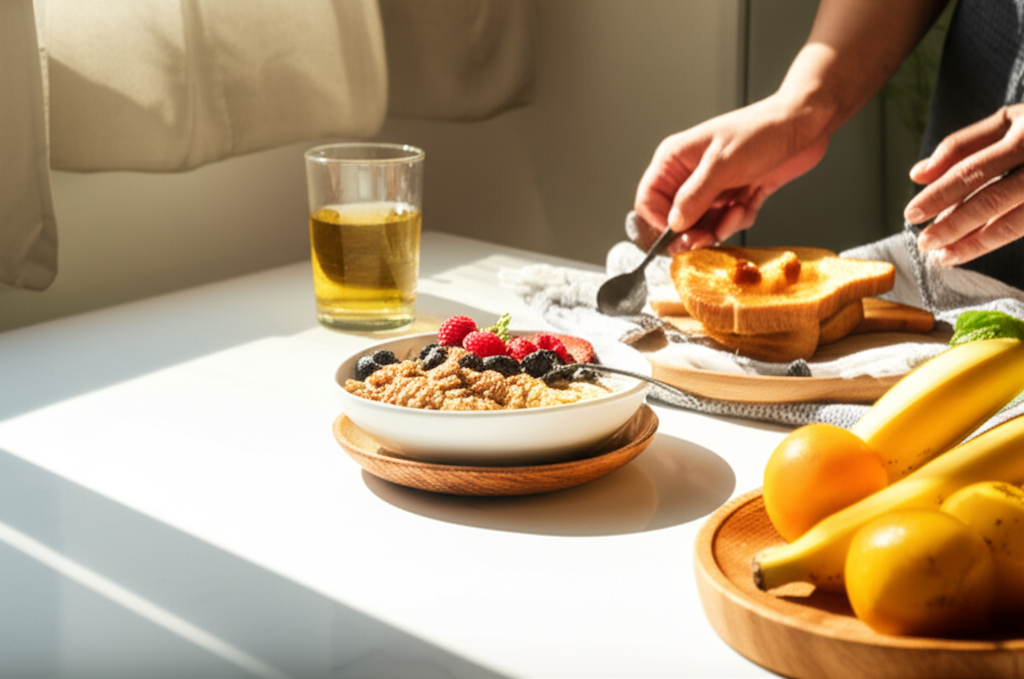
Ayurveda breakfast recipes offer delicious, energizing, and balanced morning meals, perfect for beginners. These simple, wholesome dishes use everyday ingredients to kickstart your day with natural goodness and sustained energy, making healthy eating easy and enjoyable.
Ayurveda Breakfast Recipes: Genius Meals to Kickstart Your Day
Starting your day right can feel tricky, especially with so many breakfast trends out there. Do you ever feel overwhelmed trying to find a breakfast that’s both healthy and genuinely tasty? Many of us want a morning meal that’s easy to make, uses ingredients we already have, and gives us lasting energy without the midday crash. If you’re nodding along, you’re in the right place! We’re going to explore the wonderful world of Ayurveda breakfast recipes. These aren’t complicated or exotic; they’re simple, nourishing meals that are perfect for beginners. Get ready to discover how easy it is to make a breakfast that feels amazing and tastes even better!
Why Ayurveda Breakfasts? Your Morning Meal Makeover
Ayurveda, an ancient Indian system of medicine, focuses on balance and well-being. When it comes to breakfast, Ayurveda emphasizes eating something warm, grounding, and easily digestible. This approach helps to set a positive tone for your entire day. Think of it as giving your body the best possible start, fueled by natural ingredients that work with your system, not against it.
The core idea is to awaken your digestive fire, known as ‘Agni’. A strong Agni helps you absorb nutrients efficiently and prevents that sluggish feeling many of us get after breakfast. Ayurveda breakfast recipes are designed to be gentle yet satisfying, providing sustained energy and promoting overall health. They are perfect for anyone looking to simplify their mornings and embrace a more mindful way of eating.
Unlike fad diets, Ayurveda isn’t about restriction; it’s about nourishment and balance. The recipes are adaptable and focus on whole foods. We’ll be looking at meals that are not only good for you but also incredibly delicious. Ready to transform your mornings?
The Foundations of an Ayurvedic Breakfast
Before we dive into the delicious recipes, let’s quickly cover what makes an Ayurvedic breakfast “genius.” It’s all about balancing the six tastes (sweet, sour, salty, pungent, bitter, and astringent) and choosing ingredients that are appropriate for your body type (dosha) and the season. For beginners, though, the focus is on:
- Warmth: Warm foods are easier to digest.
- Nourishment: Using whole, unprocessed ingredients.
- Digestibility: Avoiding heavy, overly processed, or cold foods first thing.
- Balance: Incorporating a mix of flavors and textures.
The goal is to feel light, energized, and satisfied, not heavy or bloated. This approach respects your body’s natural rhythms and helps you feel your best.
Simple & Genius Ayurvedic Breakfast Recipes for Beginners
Let’s get cooking! These recipes are designed for ease and deliciousness, using ingredients you can easily find at your local grocery store. No fancy equipment needed!
1. Warming Spiced Oatmeal (Dalia)
Oatmeal is a breakfast staple for a reason, and the Ayurvedic way adds a comforting twist. This recipe is incredibly versatile and a fantastic way to start your day.
Why it’s genius:
- Grounding: Oats are wonderfully grounding and satisfying.
- Digestible: Cooking oats makes them easy on the stomach.
- Customizable: Add your favorite spices and toppings.
- Sustained Energy: Provides complex carbohydrates for lasting power.
Ingredients:
- 1/2 cup rolled oats (not instant)
- 1.5 cups water or plant-based milk (almond, oat, or soy)
- 1/4 teaspoon ground cinnamon
- Pinch of ground cardamom
- Optional: 1/4 teaspoon ground ginger or nutmeg
- Sweetener to taste (maple syrup, honey, or a date)
- Optional toppings: sliced banana, berries, chopped nuts, seeds (like chia or flax)
Instructions:
- Combine oats, water or milk, cinnamon, cardamom, and any other spices in a small saucepan.
- Bring to a gentle boil over medium heat.
- Reduce heat to low and simmer for 5-7 minutes, stirring occasionally, until the oatmeal reaches your desired consistency.
- Remove from heat. Stir in your preferred sweetener.
- Pour into a bowl and add your favorite toppings. Enjoy warm!
Beginner Tip:
If you’re short on time in the morning, you can soak the oats overnight in the liquid (like making overnight oats, but cook them briefly in the morning). This makes them even quicker to prepare and can improve digestibility.
2. Soothing Rice Porridge (Congee)
Congee, or rice porridge, is a beloved dish in many Asian cultures and aligns beautifully with Ayurvedic principles for its gentle, nourishing qualities. It’s like a warm hug in a bowl.
Why it’s genius:
- Super Digestible: The long cooking time breaks down the rice, making it incredibly easy on your digestive system.
- Hydrating: The high water content is wonderfully hydrating.
- Balancing: It’s naturally mild and can be flavored to suit your needs.
- Versatile: Can be savory or slightly sweet.
Ingredients:
- 1/2 cup white rice (like basmati or jasmine)
- 6 cups water or vegetable broth
- Pinch of salt (optional, for savory version)
- Optional flavorings: a sliver of fresh ginger, a few cardamom pods (for subtle warmth)
- Optional toppings: a drizzle of sesame oil, chopped scallions, a few toasted sesame seeds, a tiny bit of tamari (for savory); a swirl of ghee or coconut oil, a sprinkle of cinnamon (for sweet)
Instructions:
- Rinse the rice thoroughly under cold water until the water runs clear.
- In a large pot, combine the rinsed rice, water or broth, salt (if using), and any optional flavorings like ginger or cardamom.
- Bring to a boil over medium-high heat.
- Once boiling, reduce the heat to low, cover the pot, and simmer for at least 1 to 1.5 hours. Stir occasionally to prevent sticking. The rice should be very soft and the mixture should be thick and creamy. If it becomes too thick, add a little more water.
- Remove any whole spices like ginger or cardamom pods before serving.
- Serve warm, adding your chosen toppings.
Beginner Tip:
The longer you cook the rice, the creamier and more digestible the congee will become. Don’t be afraid to let it simmer for a bit longer if you have the time. For a quicker version, you can use a pressure cooker or Instant Pot.
3. Golden Milk Smoothie (Turmeric Latte Blend)
This vibrant smoothie is inspired by the Ayurvedic “Golden Milk” and is packed with anti-inflammatory goodness. It’s a delightful way to get your turmeric in!
Why it’s genius:
- Anti-inflammatory: Turmeric and ginger are powerhouse spices.
- Energizing: Provides a gentle lift without caffeine jitters.
- Quick to Make: Blends up in minutes.
- Mood-Boosting: The warmth and spice are comforting.
Ingredients:
- 1 cup unsweetened almond milk or other plant-based milk
- 1/2 cup warm water (optional, for a thinner consistency)
- 1 teaspoon ground turmeric
- 1/4 teaspoon ground ginger (or 1/2 inch fresh ginger, grated)
- Pinch of black pepper (helps with turmeric absorption!)
- Pinch of cinnamon
- Sweetener to taste (maple syrup, honey, or a date)
- Optional: 1/4 teaspoon vanilla extract, 1 tablespoon almond butter for extra creaminess and protein
Instructions:
- Combine all ingredients in a blender.
- Blend until smooth and creamy. If you prefer it warmer, you can gently heat it in a saucepan after blending, but do not boil.
- Pour into a mug and enjoy immediately.
Beginner Tip:
If you don’t have ground ginger, a tiny piece of fresh ginger, peeled and added to the blender, works wonderfully. Remember that black pepper is key for maximizing the benefits of turmeric, so don’t skip it!
4. Savory Moong Dal Dosa (Lentil Crepes)
Dosas are fermented lentil and rice crepes, a traditional South Indian breakfast. While authentic dosas involve fermentation, we can make a simplified, quick version using readily available ingredients that still captures the essence of this nourishing meal.
Why it’s genius:
- Protein-Rich: Lentils provide excellent plant-based protein.
- Fermented Benefits: Even quick versions offer some probiotic advantages.
- Balanced Meal: Combines protein, carbs, and healthy fats.
- Deliciously Satisfying: A flavorful alternative to sweet breakfasts.
Ingredients:
- 1 cup split yellow moong dal (skinned and split lentils), soaked for at least 2 hours (or overnight for easier digestion)
- 1/4 cup rice flour (or finely ground rice)
- 1/4 teaspoon salt
- Pinch of asafoetida (hing) – optional, aids digestion
- 1/2 teaspoon cumin seeds (optional)
- 1/4 teaspoon turmeric powder (optional)
- Water, as needed to adjust batter consistency
- Ghee or coconut oil for cooking
Instructions:
- Drain the soaked moong dal and rinse well.
- In a blender or food processor, combine the drained moong dal, rice flour, salt, asafoetida (if using), cumin seeds (if using), and turmeric (if using).
- Add about 1/2 cup of water and blend into a smooth batter. Add more water, a tablespoon at a time, until the batter has a pouring consistency similar to pancake batter, but slightly thinner.
- Heat a non-stick skillet or tawa over medium heat. Lightly grease with ghee or oil.
- Pour a ladleful of batter onto the hot skillet and quickly spread it in a circular motion to form a thin crepe.
- Cook for 1-2 minutes until the edges start to lift and the bottom is golden brown. You can add a little ghee or oil around the edges.
- Flip and cook the other side for another minute, or until lightly browned.
- Serve immediately with your favorite chutney or a simple side of yogurt.
Beginner Tip:
Soaking the moong dal is crucial for both texture and digestibility. If your batter seems too thick, add a splash more water. If it’s too thin, add a little more rice flour. Don’t worry if the first dosa isn’t perfect – they get easier with practice!
5. Sweet Quinoa Porridge
Quinoa is a complete protein and a fantastic grain alternative for breakfast. This sweet porridge is hearty and delicious, offering a different texture and nutrient profile.
Why it’s genius:
- Complete Protein: Quinoa provides all nine essential amino acids.
- Fiber-Rich: Great for digestive health and satiety.
- Nutrient Dense: Packed with vitamins and minerals.
- Gluten-Free: A good option for those avoiding gluten.
Ingredients:
- 1/2 cup quinoa, rinsed thoroughly
- 1.5 cups water or plant-based milk
- 1/2 teaspoon cinnamon
- Pinch of nutmeg
- Sweetener to taste (maple syrup, date paste, or honey)
- Optional toppings: fresh fruit, chopped nuts, seeds, a spoonful of ghee
Instructions:
- Combine the rinsed quinoa, water or milk, cinnamon, and nutmeg in a saucepan.
- Bring to a boil over medium heat.
- Reduce heat to low, cover, and simmer for 15-20 minutes, or until the liquid is absorbed and the quinoa is cooked and fluffy.
- Remove from heat and let it sit, covered, for 5 minutes.
- Stir in your sweetener.
- Serve warm with your chosen toppings.
Beginner Tip:
Rinsing quinoa is very important to remove its natural coating called saponin, which can taste bitter. Use a fine-mesh sieve and rinse until the water runs clear.
Understanding Your Dosha (Briefly!)
Ayurveda often talks about three main body types or energies, called doshas: Vata, Pitta, and Kapha. While a full dosha assessment is complex, understanding the basics can help you tailor your breakfast. For beginners, focus on what makes you feel best.
Generally:
- Vata: Benefits from grounding, warm, moist, and slightly sweet/sour/salty foods. Think warm oatmeal, congee.
- Pitta: Benefits from cooling, grounding, and slightly sweet/bitter/astringent foods. Lighter options like fruit with a bit of nut butter can be good.
- Kapha: Benefits from light, warm, and stimulating foods. Spices and lighter grains like quinoa are often recommended.
However, the recipes above are generally balancing for most people, especially when starting. Don’t get too hung up on doshas initially; focus on how the food makes your body feel.
Ayurvedic Breakfasts: Pros and Cons for Beginners
Like anything new, there are things to consider. Here’s a quick look:
| Pros | Cons |
|---|---|
| Improved Digestion: Warm, cooked foods are easier to process. | Requires Some Cooking: Not as instant as grabbing a granola bar. |
| Sustained Energy: Balanced meals prevent energy crashes. | Learning Curve: May take a little practice to get recipes right. |
| Nutrient-Dense: Focus on whole, real ingredients. | Ingredient Availability: Some specialty ingredients might be harder to find. |
| Mindful Eating: Encourages a more conscious start to the day. | Adapting to Routine: Fitting cooking into a busy morning schedule. |
| Delicious & Satisfying: Focus on taste alongside health. | Preference for Cold Breakfasts: Some people naturally prefer cold cereal or yogurt. |
Tips for Success
Making these recipes a regular part of your morning routine is easier than you think with these tips:
- Prep Ahead: Soak grains, chop nuts, or measure out spices the night before.
- Start Simple: Pick one recipe you love and master it before trying others.
- Listen to Your Body: Pay attention to how different foods make you feel.
- Don’t Aim for Perfection: It’s okay if your dosa isn’t perfectly round or your oatmeal has a few lumps. It will still taste great!
- Make it a Ritual: Take a few moments to truly enjoy your breakfast, rather than rushing through it.
The Ayurvedic approach to food is about nurturing yourself. It’s about creating meals that support your well-being from the inside out. For a deeper understanding of Ayurvedic principles and diet, resources like the National Ayurvedic Medical Association (NAMA) can offer valuable insights.
Frequently Asked Questions (FAQs)
Q1: Are Ayurveda breakfast recipes difficult to make?
A: Not at all! The recipes shared here are specifically chosen for their simplicity and use common ingredients. They are perfect for beginners and don’t require any special cooking skills or equipment.
Q2: Can I make these recipes if I’m not familiar with Ayurveda?
A: Absolutely! You don’t need to be an Ayurveda expert. These recipes are based on general principles of warm, nourishing, and easily digestible foods that most people find beneficial and delicious.
Q3: What if I have dietary restrictions, like being vegan or gluten-free?
A: Many of these recipes are naturally vegan or can be easily adapted. For example, use plant-based milk and maple syrup instead of dairy or honey. The quinoa porridge is also gluten-free.
Q4: How do I store leftovers?
A: Most cooked Ayurvedic breakfasts are best enjoyed fresh. However, oatmeal or quinoa porridge can be stored in an airtight container in the refrigerator for 1-2 days and gently reheated with a little extra liquid. Congee can also be stored and reheated.
Q5: I’m always hungry an hour after breakfast. Will these recipes help?
A: Yes! Ayurvedic breakfasts focus on grounding, whole foods that provide sustained energy. The combination of complex carbohydrates, protein (from grains like quinoa or lentils), and healthy fats (from optional additions like nuts or ghee) helps keep you feeling full and satisfied for longer.
Q6: What are ‘doshas’ and do I need to know mine?
A: Doshas (Vata, Pitta, Kapha) are the bio-energetic forces in Ayurveda that govern physiological and psychological functions. While understanding your dominant dosha can help personalize your diet, it’s not essential for enjoying these beginner-friendly recipes. Focus on how the food makes you feel – energized, balanced, and satisfied.
Conclusion: Your Deliciously Simple Ayurvedic Morning
Embarking on a journey with Ayurveda breakfast recipes doesn’t have to be complicated. By focusing on warm, nourishing, and easily digestible foods, you can transform your mornings from rushed and sluggish to energized and balanced. The recipes we’ve explored – from comforting spiced oatmeal and soothing rice porridge to vibrant golden milk and protein-packed quinoa – are all designed to be accessible for beginners and adaptable to your tastes.
Remember, the goal isn’t perfection; it’s about creating a positive, nourishing start to your day that you genuinely enjoy. Experiment with the spices, find your favorite toppings, and most importantly, savor the experience. These simple meals are a powerful way to take care of yourself, one delicious breakfast at a time. Happy cooking, and here’s to brighter, more energized mornings!
