

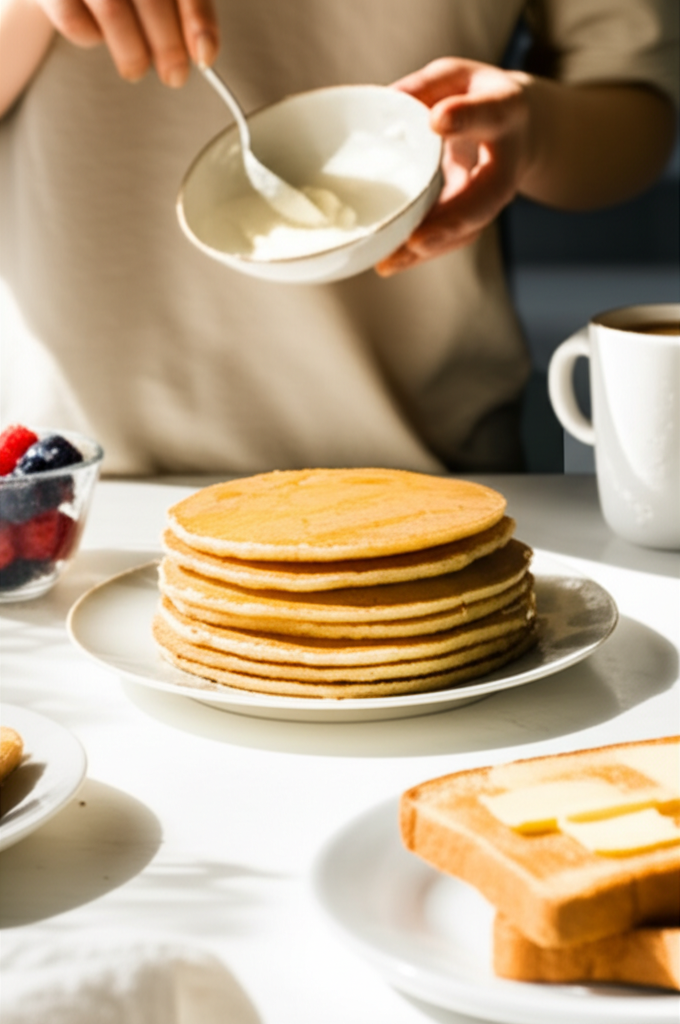
Yes, you absolutely can make surprisingly delicious biscuits using pancake mix! It’s a fantastic shortcut for busy mornings or when you’re craving a fluffy, comforting biscuit without all the fuss of traditional biscuit recipes. This clever hack transforms your pancake mix into a biscuit base with minimal extra ingredients and effort, offering a delightful treat.
Ever stared at a box of pancake mix and wondered if it could be a secret weapon for something else? You’re not alone! Many of us love pancakes, but sometimes, the craving for a warm, flaky biscuit strikes when we least expect it. The good news is that your trusty pancake mix is more versatile than you might think. Making biscuits from pancake mix might sound a little unusual, but it’s a super simple and effective way to get that comforting biscuit flavor and texture with a fraction of the effort. It’s perfect for when you want something a bit more substantial than pancakes but don’t have all the usual baking ingredients on hand.
This guide will walk you through exactly how to turn that fluffy pancake mix into delightful biscuits. We’ll cover the simple ingredients you’ll need, the easy steps to follow, and even some tips to make your biscuits extra special. Get ready to impress yourself and your family with this genius kitchen hack!
The Magic Behind Pancake Mix Biscuits
So, what makes this work? Pancake mix already contains the key dry ingredients for baked goods: flour, leavening agents (like baking powder and baking soda), sugar, and salt. These are the same foundational ingredients you’d find in a classic biscuit recipe. The main difference is the fat content and the type of leavening. Pancake mixes are designed to create a lighter, fluffier texture for pancakes, which translates surprisingly well to biscuits. When you add a bit of fat (like butter or oil) and a liquid (like milk or buttermilk), you activate the leavening agents and bind everything together, much like you would for traditional biscuits.
It’s a clever culinary crossover that saves time and simplifies the baking process. You get the convenience of a pre-mixed base, cutting down on the number of ingredients you need to measure and combine. This makes it an ideal solution for beginners or anyone looking for a quick baking win. Think of it as a shortcut to comfort food!
What You’ll Need: Simple Ingredients for Great Biscuits
The beauty of this recipe is its simplicity. You likely have most of these items in your pantry already. The core of your biscuit will be the pancake mix, but here are the other essentials:
- Pancake Mix: Any brand of complete pancake mix will work. Complete mixes already have dried milk and eggs included, making it even easier.
- Liquid: Milk is the most common choice, but buttermilk will give you a tangier, richer flavor and a more tender crumb, similar to traditional biscuits. Water can be used in a pinch, but the texture and flavor won’t be as good.
- Fat: Cold, cubed butter is ideal for the flakiest biscuits. You can also use shortening or a neutral-flavored oil like vegetable or canola oil for a slightly different texture. Using cold fat is crucial for creating those signature flaky layers.
- Optional Add-ins: A little extra sugar for sweetness, a pinch of salt if your mix is very mild, or even some herbs and cheese for savory biscuits.
Step-by-Step Guide: From Mix to Mouthwatering Biscuits
Let’s get baking! This process is straightforward and rewarding. Follow these simple steps for perfect pancake mix biscuits.
Step 1: Prepare Your Ingredients
Before you start mixing, make sure your butter (if using) is very cold. Cut it into small cubes and keep it chilled until you’re ready to use it. Measure out your pancake mix and your liquid. If you’re using butter, it’s also a good idea to chill your mixing bowl and any pastry blender or forks you might use.
Step 2: Cut in the Fat
In a large mixing bowl, combine your pancake mix. If you’re adding any extra sugar or salt, add it now. Add your cold, cubed butter to the mix. Using a pastry blender, two forks, or your fingertips, cut the butter into the pancake mix until the mixture resembles coarse crumbs, with some pea-sized pieces of butter still visible. These butter pieces are key to creating flaky layers.
If you’re using oil, you can simply whisk it into the dry ingredients. For shortening, cut it in the same way you would butter.
Step 3: Add the Liquid
Gradually add your cold liquid (milk or buttermilk) to the dry ingredients, stirring gently with a fork. Start with about 2/3 of the recommended amount and add more as needed. You want the dough to come together into a soft, slightly sticky ball. Be careful not to overmix; overmixing can develop the gluten too much, resulting in tough biscuits.
The exact amount of liquid needed can vary depending on the brand of pancake mix and humidity. Aim for a dough that’s moist but not wet.
Step 4: Shape the Biscuits
Turn the dough out onto a lightly floured surface. Gently knead the dough a few times (about 5-6 times) to bring it together. Don’t overwork it! You can pat the dough into a rectangle about 1/2 to 3/4 inch thick. For flaky biscuits, fold the dough over on itself a couple of times, then pat it down again.
Use a biscuit cutter, a glass rim, or a knife to cut out your biscuits. For the best rise, press straight down without twisting. Place the biscuits close together on an ungreased baking sheet for softer sides, or spaced slightly apart for crispier edges.
Step 5: Bake to Golden Perfection
Preheat your oven to 400°F (200°C). Place the baking sheet in the preheated oven. Bake for 12-18 minutes, or until the biscuits are puffed up and golden brown on top and bottom. The exact baking time will depend on your oven and the size of your biscuits.
Step 6: Serve and Enjoy!
Remove the biscuits from the oven and let them cool slightly on a wire rack. Serve them warm with butter, jam, honey, or your favorite biscuit toppings. They are delicious on their own or as a side to breakfast meats or a hearty stew.
Key Techniques for Flaky Biscuits
Achieving that sought-after flaky texture is all about technique, especially when using pancake mix. Here are some tips:
- Keep Everything Cold: This is non-negotiable for flaky biscuits. Cold butter creates steam pockets as it bakes, separating the layers of dough.
- Don’t Overmix: Overmixing develops gluten, leading to tough, chewy biscuits. Mix just until the ingredients are combined.
- Gentle Handling: Treat the dough with care. Overworking it will make your biscuits dense.
- Straight Cuts: When cutting biscuits, press straight down without twisting. Twisting seals the edges, preventing the biscuits from rising evenly.
- Baking Temperature: A hot oven is crucial for a good rise. Ensure your oven is fully preheated.
Variations and Flavor Boosters
Once you’ve mastered the basic pancake mix biscuit, don’t be afraid to get creative! Here are some ideas to elevate your biscuits:
- Sweet Biscuits: Add a tablespoon or two of extra sugar to the mix. Serve with honey or fruit preserves.
- Savory Biscuits: Incorporate shredded cheese (cheddar, parmesan), chopped chives, garlic powder, or a pinch of black pepper into the dough before adding liquid.
- Herbed Biscuits: Mix in finely chopped fresh herbs like rosemary, thyme, or parsley.
- Buttermilk Magic: As mentioned, using buttermilk instead of regular milk adds a wonderful tang and tenderness. You can often find recipes for making your own buttermilk substitute using milk and vinegar or lemon juice if you don’t have it on hand.
- Glaze or Topping: Brush the tops with melted butter or a simple glaze made from powdered sugar and milk after baking.
Pancake Mix vs. Traditional Biscuit Mix
It’s helpful to understand how pancake mix biscuits compare to those made from scratch or a dedicated biscuit mix. Here’s a quick breakdown:
| Feature | Pancake Mix Biscuits | Traditional Biscuits (from scratch) | Biscuit Mix (e.g., Bisquick) |
|---|---|---|---|
| Key Ingredients | Flour, leavening, sugar, salt (pre-mixed) + fat, liquid | Flour, leavening, fat, salt, liquid (measured separately) | Flour, leavening, fat, salt, sugar (pre-mixed) + liquid |
| Ease of Preparation | Very Easy (few ingredients to add) | Moderate (requires measuring multiple dry ingredients) | Easy (similar to pancake mix, often richer fat content) |
| Texture | Can be fluffy, slightly denser than scratch | Can achieve very flaky, tender crumb | Typically very flaky and tender |
| Flavor | Slightly sweet, mild | Can be tailored to taste (e.g., more buttery, tangy with buttermilk) | Slightly buttery, can vary by brand |
| Leavening | Primarily baking powder | Baking powder and/or baking soda | Primarily baking powder |
| Best For | Quick, easy biscuits; beginner cooks; pantry staples | Control over ingredients; specific texture goals | Quick, reliable, flaky biscuits; convenient baking |
While dedicated biscuit mixes often have a higher fat content designed specifically for biscuits, pancake mixes provide a surprisingly similar and satisfying result. The main difference might be in the subtle sweetness and the overall richness, which can easily be adjusted with your chosen fat and liquid.
Troubleshooting Common Biscuit Issues
Even with simple recipes, sometimes things don’t go as planned. Here are some common issues and how to fix them:
- Tough Biscuits: This is usually caused by overmixing the dough or overworking it when kneading. Next time, mix just until combined and handle the dough as little as possible.
- Flat Biscuits: Ensure your baking powder is fresh. Also, check that your oven is hot enough. If you used too much liquid, the dough might be too wet to hold its shape.
- Dry Biscuits: You might have used too much flour when rolling or cut them too thin. Make sure to measure your flour correctly (spoon it into the cup and level off, don’t scoop directly from the bag) and don’t over-handle the dough. Using a bit more liquid might also help.
- Uneven Rise: This can happen if you twist the biscuit cutter or if the dough is unevenly mixed. Aim for a consistent thickness and cut straight down.
Understanding these common pitfalls can help you refine your technique and ensure delicious results every time. For more insights into baking science, you can explore resources like those provided by the U.S. Food and Drug Administration regarding food ingredients and additives, which can offer a deeper understanding of what makes baked goods rise and taste great.
Frequently Asked Questions (FAQ)
Can I use any kind of pancake mix?
Yes, most complete pancake mixes will work. “Complete” mixes are best because they already contain dried milk and eggs, simplifying the process. If your mix requires you to add milk and eggs to make pancakes, you’ll need to add those to your biscuit dough as well.
What is the best fat to use for pancake mix biscuits?
Cold, cubed butter is highly recommended for the flakiest biscuits. Shortening also works well for tenderness and flakiness. Oil will create a more tender, cake-like biscuit rather than a flaky one.
How do I get my biscuits to be flaky?
The key to flakiness is using cold fat (like butter) and keeping it in small pieces within the dough. As the biscuits bake, the butter melts and creates steam, separating the dough into layers. Also, avoid overmixing and overworking the dough.
Can I make drop biscuits from pancake mix?
Absolutely! For drop biscuits, you’ll want to use a bit more liquid to make a softer, wetter dough. Once mixed, simply drop spoonfuls of the dough onto your baking sheet. They won’t have the same flaky layers as cut biscuits but are incredibly easy and delicious.
Why are my biscuits tough?
Tough biscuits are almost always a result of overmixing the dough or overworking it when kneading or shaping. This develops the gluten in the flour too much. Mix only until the ingredients are just combined, and handle the dough as little as possible.
How long do pancake mix biscuits last?
Freshly baked biscuits are best enjoyed the same day. However, you can store cooled biscuits in an airtight container at room temperature for 1-2 days. For longer storage, freeze them in a freezer-safe bag for up to 2-3 months. Reheat gently in the oven or microwave.
Conclusion: A Simple Shortcut to Biscuit Bliss
So there you have it! Making biscuits from pancake mix isn’t just possible; it’s a genuinely clever and satisfying way to enjoy warm, fluffy biscuits with minimal effort. This technique proves that with a little culinary creativity, you can transform everyday pantry staples into delightful treats. Whether you’re a seasoned baker looking for a quick fix or a beginner eager to try something new, this recipe is a winner.
You’ve learned how the basic components of pancake mix lend themselves perfectly to biscuit making, the simple ingredients you need, and the straightforward steps to achieve flaky, golden perfection. We’ve also explored variations to customize your biscuits and troubleshooting tips to ensure success. Remember the key principles: cold ingredients, gentle handling, and a hot oven. Now you have the confidence and the knowledge to whip up a batch of these “genius” biscuits anytime the craving strikes. Enjoy your delicious homemade biscuits – a testament to the versatility of your pantry!
