

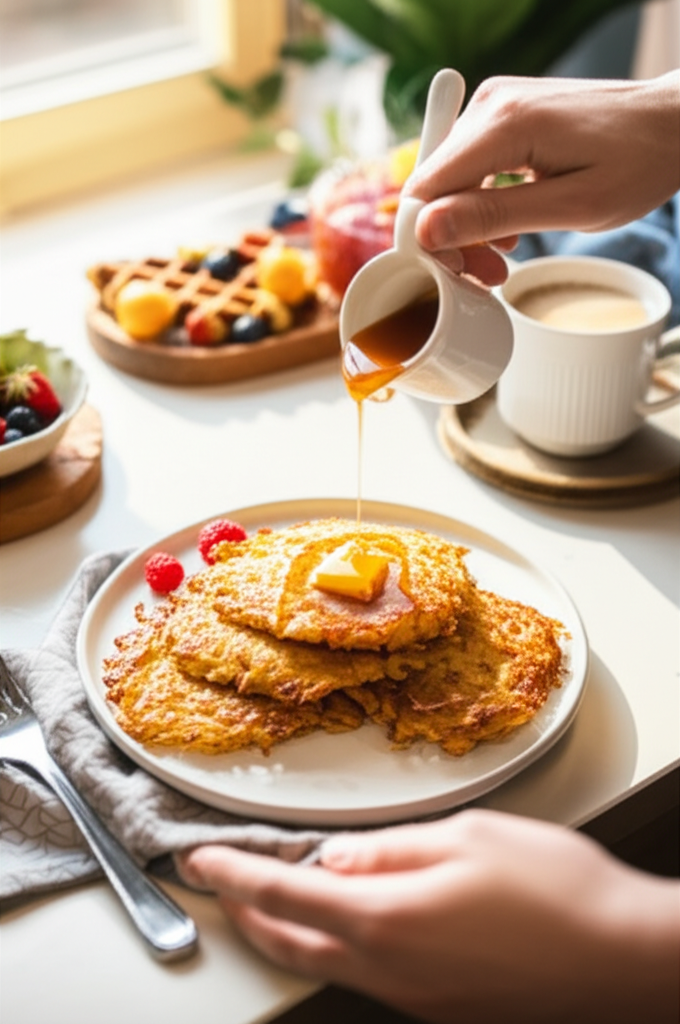
Yes, you can absolutely freeze potato pancakes! Properly prepared and frozen potato pancakes retain their delicious taste and texture, making them a convenient make-ahead breakfast or snack option. Follow these proven tips for freezing and reheating perfection.
Can You Freeze Potato Pancakes? Proven Tips for Delicious Make-Ahead Meals
Whipping up a batch of fluffy, golden potato pancakes can be a weekend treat, but what happens when you have leftovers? Many home cooks wonder, “Can you freeze potato pancakes?” The good news is, yes, you can! Freezing potato pancakes is a fantastic way to save time and enjoy this comforting dish whenever the craving strikes. It’s a common kitchen conundrum, especially for busy families or anyone who loves to prep meals in advance. Don’t worry, we’ll walk you through everything you need to know to freeze and reheat your potato pancakes perfectly, ensuring they taste almost as good as fresh.
This guide is designed to be your go-to resource, breaking down the process into simple, easy-to-follow steps. We’ll cover the best methods for freezing, thawing, and reheating, along with essential tips to maintain that delightful texture and flavor. Get ready to transform your leftover potato pancakes into a convenient, delicious meal for any time of day!
Why Freeze Potato Pancakes? The Benefits of Make-Ahead Goodness
Freezing potato pancakes isn’t just about convenience; it’s about smart cooking and enjoying your favorite foods more often. Imagine waking up on a busy weekday morning and having perfectly cooked potato pancakes ready to go in minutes. That’s the magic of freezing!
- Time-Saving: Prepare a large batch on the weekend and freeze them for quick breakfasts or snacks throughout the week.
- Reduce Food Waste: If you’ve made too many, freezing prevents delicious potato pancakes from going to waste.
- Cost-Effective: Buying ingredients in bulk and preparing ahead can often be more economical than buying pre-made or takeout options.
- Consistent Quality: With the right techniques, frozen potato pancakes can maintain excellent flavor and texture.
- Meal Prep Ready: They fit perfectly into a meal prep routine, offering a hearty and satisfying option.
The Best Potato Pancakes to Freeze: Which Ones Hold Up?
Not all potato pancakes are created equal when it comes to freezing. While most basic recipes work well, some ingredients and cooking methods can affect how they freeze and reheat. For the best results, consider these factors:
- Crispiness is Key: Pancakes that are cooked to a nice crisp on the outside tend to freeze and reheat better. Overly soft or soggy pancakes may not regain their ideal texture after thawing.
- Moisture Content: Excess moisture can lead to freezer burn and a less appealing texture. Ensure your pancakes are well-drained and cooked through.
- Ingredient Simplicity: Recipes with fewer complex or delicate ingredients generally freeze better. Think classic potato and onion combinations.
- Cooking Method: Pan-fried potato pancakes (like latkes or hash browns patties) are excellent candidates for freezing. Baked versions can also work, but pan-fried often offer superior texture upon reheating.
How to Freeze Potato Pancakes: A Step-by-Step Guide
Freezing potato pancakes correctly is crucial for preserving their quality. Follow these steps to ensure your frozen treats are as delicious as possible:
Step 1: Cool Them Down Completely
This is a critical first step. Never freeze warm or hot food. Allow your freshly cooked potato pancakes to cool down to room temperature on a wire rack. This prevents steam from building up inside the packaging, which can lead to ice crystals and sogginess.
Step 2: Drain Excess Grease
If your potato pancakes were fried, place them on a plate lined with paper towels for a few minutes to absorb any excess oil. Too much oil can affect the texture and flavor when frozen and reheated.
Step 3: Flash Freeze (The Secret to Preventing Sticking!)
This is perhaps the most important step for individual freezing. Arrange the cooled potato pancakes in a single layer on a baking sheet lined with parchment paper or wax paper. Make sure they are not touching each other. Place the baking sheet in the freezer for about 1-2 hours, or until the pancakes are firm to the touch. This “flash freezing” prevents them from clumping together when you package them.
Step 4: Package for Freezing
Once the potato pancakes are frozen solid, you can package them for long-term storage. There are a couple of excellent ways to do this:
Method A: Individual Wraps (Best for Reheating One or Two)
- Wrap each frozen potato pancake individually in plastic wrap, ensuring a snug fit to minimize air exposure.
- Place the individually wrapped pancakes into a heavy-duty freezer bag or an airtight freezer-safe container.
- Squeeze out as much air as possible from the freezer bag before sealing.
Method B: Stacked with Separators (Good for Multiple Pancakes)
- Layer the flash-frozen potato pancakes in a freezer-safe container or a heavy-duty freezer bag, placing a piece of parchment paper or wax paper between each pancake. This prevents them from sticking together.
- Ensure the container or bag is airtight to prevent freezer burn.
Step 5: Label and Date
Before placing them in the freezer, label the bag or container with the contents (“Potato Pancakes”) and the date you froze them. This helps you keep track of your frozen food inventory.
How Long Can You Freeze Potato Pancakes?
When stored properly using airtight packaging, potato pancakes can last in the freezer for:
- 1 to 2 months: For best quality and taste.
- Up to 3 months: They will remain safe to eat, but the texture and flavor might start to degrade slightly.
It’s always best to consume them within the recommended timeframe for optimal enjoyment. You can find more general food storage guidelines from the U.S. Food and Drug Administration (FDA).
How to Thaw and Reheat Frozen Potato Pancakes
The key to enjoying your frozen potato pancakes is proper thawing and reheating. You want to bring back that crispy exterior and warm, tender interior.
Thawing Options:
While you can thaw them in the refrigerator overnight, it’s often best to reheat them directly from frozen to maintain their texture.
Reheating Methods:
1. Oven or Toaster Oven (Recommended for Best Crispness):
- Preheat your oven or toaster oven to 375°F (190°C).
- Arrange the frozen potato pancakes in a single layer on a baking sheet lined with parchment paper.
- Bake for 10-15 minutes, flipping halfway through, until heated through and crispy. The exact time will depend on the thickness of your pancakes.
2. Skillet/Frying Pan (For a Quick, Crispy Finish):
- Place the frozen potato pancakes in a non-stick skillet over medium heat.
- Add a small amount of oil or butter if desired for extra crispiness.
- Cook for 4-7 minutes per side, until heated through and golden brown and crispy.
3. Air Fryer (Fast and Crispy):
- Preheat your air fryer to 375°F (190°C).
- Place the frozen potato pancakes in the air fryer basket in a single layer (you may need to cook in batches).
- Air fry for 6-10 minutes, flipping halfway through, until heated and crispy.
4. Microwave (Fastest, but Least Crispy):
- This method is the quickest but can result in a softer texture.
- Place the frozen potato pancakes on a microwave-safe plate.
- Microwave on high for 30-60 second intervals until heated through.
- For a crispier finish after microwaving, you can quickly pan-fry or toast them for a minute or two.
Tips for the Best Frozen Potato Pancakes
Here are some extra tips to ensure your frozen potato pancakes are a hit:
- Don’t Overcrowd: When flash freezing or reheating, always ensure the pancakes have space around them for even cooling/heating and crisping.
- Parchment Paper is Your Friend: Use parchment or wax paper liberally to prevent sticking during freezing and make reheating easier.
- Consider Portioning: If you know you’ll only ever want one or two at a time, freezing them individually is a real time-saver.
- Seasoning Matters: Ensure your original potato pancakes are well-seasoned. The freezing and reheating process can sometimes mute flavors slightly.
- Avoid Soggy Bottoms: When reheating in the oven or skillet, a wire rack or proper pan temperature is key to preventing a soggy base.
What Kind of Potato Pancakes Freeze Best?
Let’s look at how different types of potato pancakes fare in the freezer.
| Type of Potato Pancake | Freezing Suitability | Notes |
|---|---|---|
| Classic Potato Latkes (Grated Potato & Onion) | Excellent | The firm structure and crisp edges freeze and reheat very well. |
| Hash Brown Patties (Shredded Potato) | Very Good | Ensure they are well-drained and cooked until golden for best results. |
| Mashed Potato Pancakes | Good | Can sometimes become a bit softer or more cake-like. Reheating in the oven or air fryer is best. |
| Potato Pancakes with Cheese or Cream | Fair to Good | Dairy can sometimes alter texture. Cook thoroughly and reheat gently. |
| Potato Pancakes with Herbs/Spices | Excellent | Herbs and spices generally freeze well and add great flavor. |
Common Mistakes to Avoid When Freezing Potato Pancakes
Even with the best intentions, a few common missteps can lead to disappointing results. Be aware of these:
- Freezing While Warm: This is a recipe for condensation, ice crystals, and a soggy outcome. Always cool completely.
- Insufficient Packaging: Not sealing the package tightly enough allows air in, leading to freezer burn and stale pancakes.
- Skipping the Flash Freeze: Trying to pack them straight into a bag often results in one giant frozen pancake lump.
- Over-Reheating: Microwaving for too long or at too high a temperature can make them rubbery.
- Not Draining Properly: Excess oil or moisture from washing potatoes can affect the final texture.
Frequently Asked Questions about Freezing Potato Pancakes
Q1: Can I freeze uncooked potato pancakes?
It’s generally not recommended to freeze uncooked potato pancakes. The raw potato and batter may not freeze well, and the texture upon cooking could be mushy or watery. It’s best to cook them first, then freeze the cooked product.
Q2: Will my frozen potato pancakes be soggy?
If you follow the steps for cooling, flash freezing, and proper reheating (especially using the oven, skillet, or air fryer), your potato pancakes should retain a good level of crispness. Microwaving alone is the most likely method to result in sogginess.
Q3: How do I reheat just one potato pancake?
The best way is to use the individual wrapping method. Take one frozen pancake from the freezer, unwrap it, and reheat it in a toaster oven, skillet, or air fryer for a quick, crispy treat. A microwave is also an option if crispiness isn’t your top priority.
Q4: Can I freeze potato pancakes with sour cream or applesauce?
It’s best to freeze the potato pancakes plain. Sour cream and applesauce are best served fresh as accompaniments. Freezing these moist toppings with the pancakes can negatively affect their texture.
Q5: My frozen potato pancakes have ice crystals on them. What does this mean?
Ice crystals usually form when there’s too much moisture in the packaging or when the food isn’t stored at a consistently cold temperature. This can happen if the pancakes weren’t fully cooled before freezing, or if the freezer door is opened frequently. While they are still safe to eat, the texture might be slightly affected.
Q6: How do I make sure my frozen potato pancakes taste fresh?
Proper packaging is key to preventing freezer burn and maintaining freshness. Use airtight containers or freezer bags, and consider wrapping each pancake individually before placing them in the main container. Reheating them using methods that restore crispness, like an oven or skillet, will also help them taste closer to fresh.
Conclusion: Enjoy Your Make-Ahead Potato Pancake Delights!
So, the answer to “Can you freeze potato pancakes?” is a resounding yes! By following these proven tips for cooling, flash freezing, packaging, and reheating, you can ensure that your delicious potato pancakes are always just a few minutes away. Whether you’re craving a quick breakfast on a busy morning, a comforting snack, or a side dish for dinner, your frozen stash will be ready to go. Embrace the convenience and satisfaction of having these homemade delights on hand. Happy cooking, and even happier eating!
