

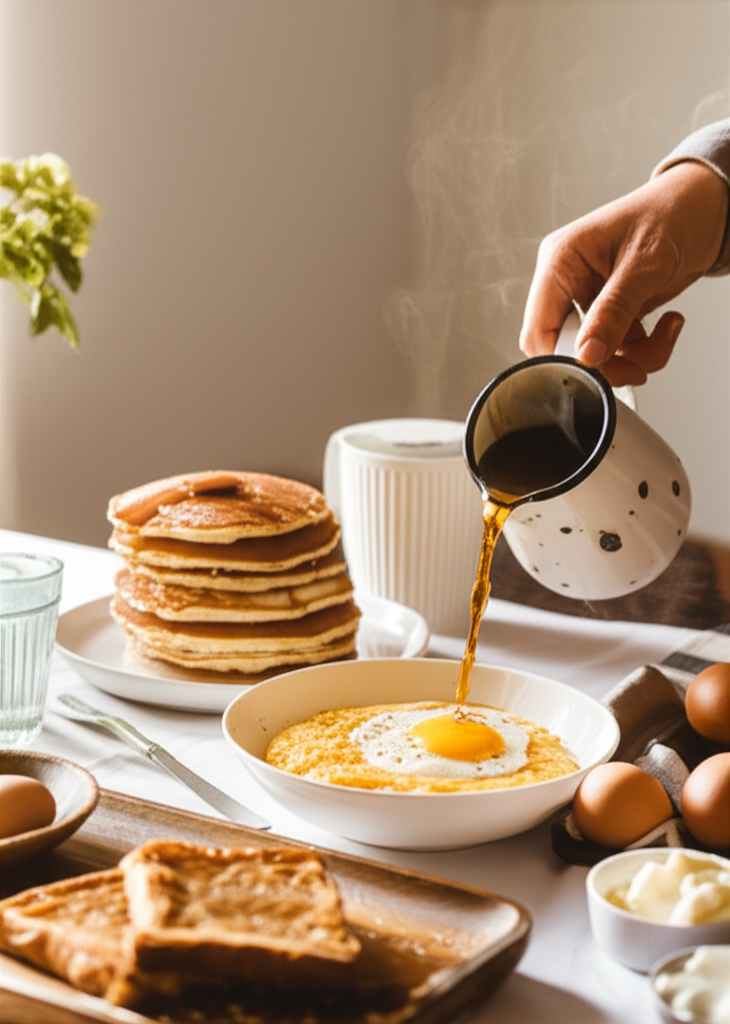
Polenta for breakfast recipes are a versatile, quick, and satisfying way to start your day. This creamy, cornmeal-based dish can be customized with sweet or savory toppings, making it a delicious and healthy breakfast option for everyone.
Mornings can feel like a race, right? You want something good to eat, but figuring out what to make can be tough. Many breakfast ideas seem too fancy or take too long. If you’re looking for a breakfast that’s super easy, tastes amazing, and can be made in minutes, you’re in the right spot. We’re talking about polenta for breakfast recipes! It’s like a magic blank canvas for your taste buds. Get ready to discover how simple and delicious your mornings can be.
Why Polenta is Your New Best Breakfast Friend
Polenta might sound a bit intimidating, but trust me, it’s one of the easiest and most adaptable foods you can have for breakfast. It’s basically cooked cornmeal, and the magic happens in how you cook it and what you put on top.
What Exactly is Polenta?
Polenta is a dish made from boiled cornmeal. It has a long history, originating in Northern Italy. Traditionally, it was a staple food for farmers because corn was readily available and filling. It’s naturally gluten-free, which is a big plus for many people. You can find it in different grinds – coarse, medium, and fine. For a creamy, quick breakfast, medium or fine grinds usually work best.
The Benefits of a Polenta Breakfast
Starting your day with polenta offers several advantages, making it a smart choice for busy mornings and health-conscious eaters.
Quick to Prepare: Instant polenta can be ready in as little as 5 minutes, while traditional polenta takes about 20-30 minutes. This is much faster than many other breakfast staples like pancakes or elaborate egg dishes.
Versatile: Polenta is incredibly versatile. You can go sweet with fruits, nuts, and honey, or savory with cheese, herbs, and even leftover meats.
Nutritious: Polenta is a good source of complex carbohydrates, providing sustained energy throughout the morning. It also contains some fiber and essential minerals. For a more detailed look at the nutritional aspects of cornmeal, you can check out resources from the USDA FoodData Central.
Budget-Friendly: Cornmeal is one of the most affordable pantry staples, making polenta a great option for healthy breakfasts on a budget.
Customizable for Diets: Being naturally gluten-free and a plant-based food, polenta can easily fit into various dietary needs.
Polenta vs. Grits: What’s the Difference?
This is a common question! Both polenta and grits are made from ground corn, but they differ slightly in the type of corn used and the grind. Grits are typically made from hominy (corn treated with an alkali process), while polenta is usually made from yellow corn that hasn’t undergone this process. The grind can also vary. While the terms are sometimes used interchangeably, especially in American contexts, understanding the slight difference can be helpful. For breakfast recipes, either can often be used with similar results, especially instant varieties.
Mastering the Basics: How to Cook Polenta
Cooking polenta is super straightforward. It’s all about getting the right ratio of liquid to cornmeal and stirring it properly.
What You’ll Need
Polenta: Medium or fine grind for a creamy texture. Instant polenta is the quickest option.
Liquid: Water, milk (dairy or non-dairy), or a mix of both. Milk adds richness.
Salt: To enhance the flavor.
A Pot: A medium saucepan is perfect.
A Whisk or Spoon: For stirring.
The Simple Cooking Method
Here’s how to make basic creamy polenta. This is your foundation for all those genius morning eats!
- Bring Liquid to a Boil: In your saucepan, bring your chosen liquid (e.g., 4 cups of water or milk) and a pinch of salt to a boil over medium-high heat.
- Whisk in Polenta: Slowly and gradually whisk the polenta into the boiling liquid. This is crucial to prevent lumps. Keep whisking as you add it.
- Simmer and Stir: Reduce the heat to low, cover the pot, and let it simmer. Stir frequently (every few minutes) to prevent sticking and ensure a smooth, creamy texture. The cooking time will vary depending on the grind:
- Instant Polenta: 3-5 minutes
- Medium Grind: 15-20 minutes
- Coarse Grind: 30-45 minutes
- Check for Consistency: Polenta is ready when it’s thick and creamy, pulling away from the sides of the pot. If it gets too thick, you can stir in a little more hot liquid.
- Serve Hot: Spoon the polenta into bowls immediately.
Tip: For extra creaminess, stir in a tablespoon of butter or a splash of cream at the end.
Genius Polenta For Breakfast Recipes
Now for the fun part! Let’s transform that basic polenta into amazing morning meals.
1. Creamy Vanilla Berry Polenta
This is a delightful sweet option, perfect for those who love a fruity start to their day.
Ingredients:
1 cup medium or fine grind polenta
4 cups liquid (half water, half milk or almond milk)
1/4 teaspoon salt
1 tablespoon sugar (optional, adjust to taste)
1/2 teaspoon vanilla extract
Fresh berries (strawberries, blueberries, raspberries)
Optional toppings: sliced almonds, a drizzle of honey or maple syrup, a dollop of yogurt
Instructions:
1. Prepare polenta using the basic method above with the water/milk mixture, salt, and sugar (if using).
2. Once cooked and creamy, stir in the vanilla extract.
3. Spoon the polenta into bowls.
4. Top generously with fresh berries and any other desired toppings.
2. Savory Cheesy Herb Polenta
For the savory lovers, this polenta is hearty, cheesy, and packed with flavor. It’s like a warm hug in a bowl.
Ingredients:
1 cup medium or fine grind polenta
4 cups liquid (water or chicken/vegetable broth for extra flavor)
1/2 teaspoon salt
1/4 cup grated Parmesan cheese (or cheddar, Gruyere)
1 tablespoon chopped fresh herbs (chives, parsley, thyme)
Optional toppings: a fried or poached egg, a sprinkle of black pepper, a drizzle of hot sauce, sautéed mushrooms
Instructions:
1. Prepare polenta using the basic method with broth or water and salt.
2. Once cooked and creamy, stir in the grated cheese and fresh herbs until the cheese is melted and well combined.
3. Spoon the polenta into bowls.
4. Top with your favorite savory additions, like a perfectly cooked egg.
3. Apple Cinnamon Swirl Polenta
This recipe tastes like apple pie for breakfast! It’s comforting and has just the right amount of sweetness.
Ingredients:
1 cup medium or fine grind polenta
4 cups liquid (half water, half milk)
1/4 teaspoon salt
1/2 teaspoon cinnamon
1/4 cup unsweetened applesauce
1 tablespoon brown sugar (optional)
Optional toppings: chopped toasted pecans or walnuts, a swirl of Greek yogurt, extra cinnamon
Instructions:
1. Prepare polenta using the basic method with water/milk and salt.
2. In the last few minutes of cooking, stir in the cinnamon, applesauce, and brown sugar (if using).
3. Serve hot, topped with nuts and yogurt.
4. Mediterranean Sunrise Polenta
Bring a taste of the Mediterranean to your morning with this flavorful and colorful polenta dish.
Ingredients:
1 cup medium or fine grind polenta
4 cups liquid (water or vegetable broth)
1/4 teaspoon salt
2 tablespoons crumbled feta cheese
1 tablespoon chopped Kalamata olives
1 tablespoon chopped sun-dried tomatoes (oil-packed, drained)
Optional toppings: a sprinkle of dried oregano, a drizzle of olive oil, a dollop of plain yogurt
Instructions:
1. Prepare polenta using the basic method with broth or water and salt.
2. Once cooked and creamy, stir in the feta cheese, olives, and sun-dried tomatoes.
3. Spoon into bowls and top with optional oregano or a drizzle of olive oil.
Tips for Perfect Polenta Every Time
Even the simplest recipes can have little tricks to make them even better. Here are some pro tips for your polenta adventures:
Whisk, Whisk, Whisk: Seriously, don’t skip the whisking when adding polenta to the liquid. It’s the secret to lump-free polenta.
Low and Slow: Once it starts simmering, keep the heat low. This prevents scorching and ensures even cooking.
Stirring is Key: Even on low heat, stirring every few minutes makes a huge difference in creaminess and prevents sticking.
Adjust Consistency: Polenta thickens as it cools. If it becomes too stiff, stir in a splash of hot liquid before serving.
Taste and Season: Always taste your polenta before serving. Does it need more salt? A little more sweetness? Adjust to your preference.
Make-Ahead Polenta: Your Weekday Saver
One of the best things about polenta is that you can make a big batch ahead of time and reheat it. This is a game-changer for busy mornings.
How to Make and Store Polenta Ahead
1. Cook Polenta: Prepare your polenta as usual.
2. Spread it Out: Pour the cooked polenta onto a baking sheet or into a shallow dish. This helps it cool quickly and evenly.
3. Chill: Once cooled slightly, cover it tightly with plastic wrap or transfer it to an airtight container. Refrigerate for up to 3-4 days.
4. Reheating:
Stovetop: Break up the chilled polenta in a saucepan with a splash of milk or water. Heat gently over low heat, stirring frequently, until warmed through and creamy again.
Microwave: Place a portion of polenta in a microwave-safe bowl with a splash of liquid. Cover loosely and microwave on high for 1-2 minutes, stirring halfway through, until hot.
This make-ahead method means you can have delicious, homemade polenta ready in minutes on even the busiest mornings.
Polenta for Breakfast: A Nutritional Snapshot
Polenta, derived from cornmeal, offers a good source of energy and can be a nutritious part of a balanced breakfast. A typical serving of cooked polenta (about 1 cup) provides:
| Nutrient | Amount (approximate) | % Daily Value (DV) |
| :—————– | :——————- | :—————– |
| Calories | 170-200 | Varies |
| Carbohydrates | 35-40g | 12-13% |
| Fiber | 2-3g | 8-12% |
| Protein | 3-5g | 6-10% |
| Fat | 1-2g | 1-3% |
| Iron | 1.5mg | 8% |
| Magnesium | 40mg | 10% |
| B Vitamins (e.g., Niacin) | Varies | Varies |
Note: Nutritional values can vary based on the type of cornmeal used and whether milk or water is used for cooking.
The exact nutritional profile depends on whether you use enriched cornmeal and what you add to it. Adding milk instead of water increases protein and calcium. Toppings like fruits, nuts, and seeds can significantly boost fiber, vitamins, and healthy fats. For instance, adding a handful of berries can provide antioxidants and vitamin C, while nuts add healthy fats and protein.
Frequently Asked Questions About Polenta for Breakfast
Q1: Can I use instant polenta for breakfast?
Yes, absolutely! Instant polenta is specially processed to cook much faster, often in 5 minutes or less. It’s perfect for busy mornings when you need a quick, hearty breakfast.
Q2: Is polenta a healthy breakfast option?
Polenta is a good source of complex carbohydrates for sustained energy. It’s naturally gluten-free. When prepared with water or milk and topped with fruits, nuts, or seeds, it can be a very healthy and balanced breakfast.
Q3: How do I prevent lumps when cooking polenta?
The key is to gradually whisk the polenta into boiling liquid. Pour it in a thin, steady stream while whisking continuously. Once it’s all in, continue to stir frequently as it simmers.
Q4: What are the best toppings for sweet polenta?
For sweet polenta, try fresh berries, sliced bananas, chopped apples, a sprinkle of cinnamon, a drizzle of honey or maple syrup, chopped nuts (like almonds or walnuts), or a dollop of yogurt.
Q5: What are the best toppings for savory polenta?
Savory polenta pairs well with grated cheese (Parmesan, cheddar), a fried or poached egg, sautéed mushrooms or spinach, crumbled bacon or sausage, chopped chives, a drizzle of hot sauce, or a sprinkle of black pepper.
Q6: Can I make polenta ahead of time?
Yes! Cook the polenta, spread it on a baking sheet to cool, then refrigerate in an airtight container for up to 3-4 days. Reheat gently on the stovetop with a splash of liquid or in the microwave.
Q7: Is polenta the same as grits?
While very similar, polenta and grits are made from different types of corn and can have different grinds. Polenta is typically made from yellow corn, while grits are often made from hominy. However, for most breakfast recipes, the terms are often interchangeable, especially with instant varieties.
Beyond Breakfast: What Else Can You Do with Polenta?
While we’re focusing on breakfast, it’s worth noting that polenta is incredibly versatile. Once cooked, you can let it cool and firm up, then cut it into shapes and fry or bake it. Think of polenta fries as a side dish or polenta cakes topped with sauce as a lunch or dinner option! This adaptability makes it a fantastic ingredient to keep on hand. For more ideas on versatile ingredients, resources like EatingWell offer great insights into building a well-stocked pantry.
Conclusion: Embrace the Polenta Morning Revolution!
So there you have it! Polenta for breakfast is more than just a meal; it’s an invitation to a more relaxed, delicious, and satisfying start to your day. Forget complicated steps and expensive ingredients. With just a few basic items and a little bit of stirring, you can create a wonderfully creamy base that’s endlessly customizable. Whether you’re craving something sweet and fruity or savory and cheesy, polenta can deliver.
Experiment with different toppings, make it ahead for ultimate convenience, and most importantly, have fun with it! You don’t need to be a gourmet chef to whip up a fantastic breakfast. Polenta is your simple, versatile, and budget-friendly secret weapon. So, next time you’re wondering what to make for breakfast, reach for the cornmeal and get ready to discover your new favorite morning eat. Happy cooking!
