

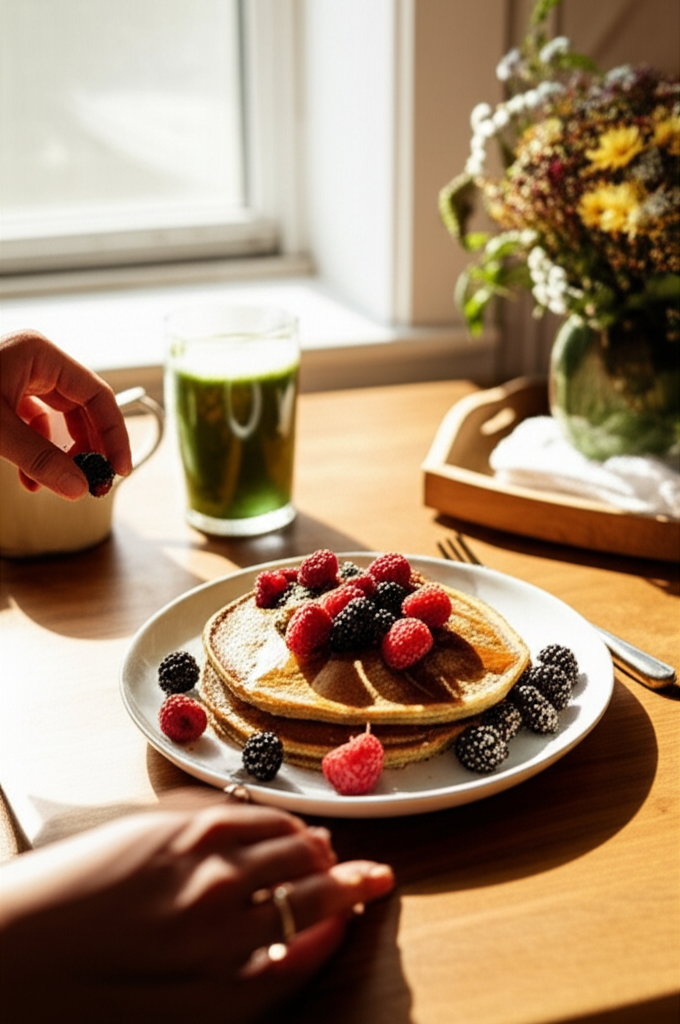
Autoimmune breakfast doesn’t have to be bland! Discover genius, beginner-friendly recipes using everyday ingredients that are both delicious and supportive of your well-being. Enjoy a stress-free, flavorful start to your day.
Starting your day right can feel like a puzzle, especially when navigating dietary needs for autoimmune conditions. Many find it tough to find breakfast ideas that are both easy to make and genuinely enjoyable. It’s easy to feel overwhelmed by restrictive lists or recipes that require a pantry full of specialty items. But what if we told you that a delicious, comforting, and autoimmune-friendly breakfast is totally within reach? We’re here to show you simple, tasty recipes that use ingredients you likely already have. Get ready to transform your mornings with breakfasts that are as nourishing as they are delightful!
Your Morning Ally: Understanding Autoimmune Breakfast
When we talk about an “autoimmune breakfast,” we’re focusing on meals that are gentle on your digestive system and packed with nutrients that can help manage inflammation. The goal is to provide sustained energy without triggering symptoms. This often means focusing on whole, unprocessed foods, and being mindful of common triggers like gluten, dairy, refined sugars, and certain inflammatory oils. It’s not about deprivation; it’s about smart, delicious choices.
Think of your breakfast as the first positive step you take for your body each day. By choosing the right ingredients, you’re setting yourself up for a more balanced and energized day. Many people with autoimmune conditions find that their breakfast choices have a significant impact on their overall well-being. This guide is designed to make that process simple and enjoyable for everyone, from absolute beginners to those looking for new inspiration.
The Autoimmune Breakfast Blueprint: What to Focus On
Building a successful autoimmune breakfast is all about understanding the building blocks. We want to incorporate foods that are nutrient-dense, anti-inflammatory, and easy to digest. Here’s a breakdown of what to generally look for:
- Lean Proteins: Essential for satiety and muscle repair. Think eggs, quality poultry, or even plant-based options like hemp seeds.
- Healthy Fats: Crucial for hormone production and reducing inflammation. Avocado, nuts, seeds, and olive oil are great choices.
- Complex Carbohydrates: Provide sustained energy. Opt for gluten-free grains like oats (certified gluten-free if needed), quinoa, or starchy vegetables like sweet potatoes.
- Fiber-Rich Vegetables & Fruits: Support gut health and provide vitamins and antioxidants. Berries, leafy greens, and colorful vegetables are excellent.
It’s also important to be aware of foods that can be inflammatory for some. While individual triggers vary, common ones include:
- Gluten (wheat, barley, rye)
- Dairy
- Refined sugars and artificial sweeteners
- Processed foods and certain vegetable oils (like soybean or corn oil)
- Nightshades (tomatoes, peppers, eggplant) for some individuals.
Remember, this is a general guide. Listening to your own body is key. If you’re unsure about specific food sensitivities, consulting with a healthcare professional or a registered dietitian can provide personalized guidance. For more information on managing autoimmune conditions through diet, the National Institute of Arthritis and Musculoskeletal and Skin Diseases (NIAMS) offers valuable resources on their website.
Genius Autoimmune Breakfast Recipes for Beginners
Let’s get to the good stuff! These recipes are designed to be simple, flavorful, and adaptable. They use common ingredients and don’t require any fancy kitchen gadgets. Each recipe is a starting point, so feel free to adjust seasonings or add your favorite safe ingredients.
1. The “Sunshine Scramble” with Sweet Potato Hash
This is a vibrant, nutrient-packed breakfast that feels like a treat. The sweetness of the potato pairs beautifully with the savory eggs.
What You’ll Need:
- 1 medium sweet potato, peeled and diced into small cubes
- 1 tablespoon olive oil or avocado oil
- Pinch of sea salt
- Pinch of black pepper
- 2-3 large eggs
- 1 tablespoon unsweetened almond milk or water (optional, for fluffier eggs)
- 1 teaspoon coconut oil or olive oil for cooking eggs
- Optional: A handful of spinach or chopped chives for garnish
Simple Steps:
- Prep the Sweet Potato: Preheat your oven to 400°F (200°C). Toss the diced sweet potato with 1 tablespoon of oil, salt, and pepper on a baking sheet. Spread them in a single layer.
- Roast the Hash: Roast for 20-25 minutes, or until tender and slightly crispy, flipping halfway through.
- Scramble the Eggs: While the sweet potatoes are roasting, crack the eggs into a bowl. Add almond milk or water if using, and a pinch of salt and pepper. Whisk well with a fork until combined and slightly frothy.
- Cook the Scramble: Heat 1 teaspoon of oil in a non-stick skillet over medium-low heat. Pour in the whisked eggs. Let them set slightly around the edges, then gently push the cooked portions towards the center with a spatula, allowing the uncooked egg to flow underneath. Continue this process until the eggs are cooked to your liking, but not dry.
- Serve: Plate the fluffy scrambled eggs alongside the roasted sweet potato hash. Garnish with spinach or chives if desired.
Why it’s genius: Sweet potatoes are a fantastic source of Vitamin A and fiber. Eggs provide high-quality protein and choline. This meal is balanced, satisfying, and naturally gluten-free and dairy-free.
2. Overnight “Oats” (Dairy-Free & Gluten-Free)
This recipe uses compliant ingredients to mimic the creamy texture of traditional overnight oats. It’s a fantastic make-ahead option for busy mornings.
What You’ll Need:
- 1/2 cup certified gluten-free rolled oats (or 1/4 cup gluten-free oat flour + 1/4 cup shredded coconut for a lower-carb option)
- 1 cup unsweetened coconut milk or almond milk
- 1 tablespoon chia seeds
- 1/2 teaspoon cinnamon
- Optional sweetener: 1/2 teaspoon maple syrup or a few drops of stevia (use sparingly or omit if avoiding all sweeteners)
- Toppings: Fresh berries, sliced banana, chopped nuts, or seeds
Simple Steps:
- Combine Ingredients: In a jar or container with a lid, combine the gluten-free oats (or oat flour/coconut mix), milk, chia seeds, cinnamon, and sweetener (if using).
- Mix Well: Stir everything together thoroughly. Make sure there are no clumps of oats or chia seeds stuck at the bottom.
- Chill Overnight: Cover the container and place it in the refrigerator for at least 4 hours, or preferably overnight. This allows the oats and chia seeds to absorb the liquid and thicken.
- Serve: In the morning, give it a good stir. If it’s too thick, add a splash more milk. Top with your favorite fruits, nuts, or seeds.
Why it’s genius: This is the ultimate make-ahead breakfast. Gluten-free oats and chia seeds provide fiber and omega-3 fatty acids. Using dairy-free milk makes it suitable for most autoimmune protocols. It’s incredibly versatile with toppings.
3. “Green Goodness” Smoothie Bowl
A refreshing and nutrient-dense option that’s quick to prepare and easy to digest. This smoothie bowl is packed with vitamins and antioxidants.
What You’ll Need:
- 1 cup frozen spinach or kale (you won’t taste it!)
- 1/2 frozen banana (for creaminess and natural sweetness)
- 1/2 cup unsweetened coconut milk or almond milk
- 1 tablespoon almond butter or sunflower seed butter
- 1 scoop collagen peptides or plant-based protein powder (optional, for extra protein)
- For Toppings: Sliced kiwi, blueberries, a sprinkle of hemp seeds, shredded coconut
Simple Steps:
- Blend: Combine the frozen spinach/kale, frozen banana, milk, almond butter, and protein powder (if using) in a blender.
- Process until Smooth: Blend on high speed until completely smooth and creamy. You may need to stop and scrape down the sides a few times. If it’s too thick, add a tiny bit more milk.
- Pour into Bowl: Pour the thick smoothie mixture into a bowl.
- Add Toppings: Arrange your chosen toppings artfully over the smoothie bowl.
Why it’s genius: Smoothies are fantastic for nutrient absorption. Leafy greens are powerful anti-inflammatories. The healthy fats from nut butter and seeds keep you full. It’s a customizable way to get a serving of greens first thing!
4. Savory “Egg Muffins” with Veggies
These are like mini frittatas, perfect for grab-and-go or meal prepping. They are incredibly adaptable to whatever vegetables you have on hand.
What You’ll Need:
- 6 large eggs
- 1/4 cup unsweetened almond milk or coconut milk
- 1/2 cup finely chopped compliant vegetables (e.g., spinach, zucchini, mushrooms, bell peppers – avoid nightshades if sensitive)
- Pinch of sea salt and black pepper
- Optional: Herbs like chives or parsley, a sprinkle of nutritional yeast for a cheesy flavor
Simple Steps:
- Preheat Oven: Preheat your oven to 350°F (175°C). Grease a 12-cup muffin tin well, or use silicone muffin liners.
- Prep Veggies: If using vegetables like mushrooms or zucchini, you might want to sauté them briefly first to remove excess moisture, though this is optional. Finely chop all your chosen vegetables.
- Whisk Eggs: In a bowl, whisk together the eggs, milk, salt, and pepper until well combined. Stir in your chopped vegetables and any optional herbs or nutritional yeast.
- Fill Muffin Cups: Pour the egg mixture evenly into the prepared muffin cups, filling each about two-thirds full.
- Bake: Bake for 20-25 minutes, or until the egg muffins are set and lightly golden.
- Cool and Store: Let them cool in the muffin tin for a few minutes before transferring them to a wire rack to cool completely. Store in an airtight container in the refrigerator for up to 3-4 days. Reheat gently in the microwave or oven.
Why it’s genius: Meal prep champions! These are portable, portion-controlled, and packed with protein and veggies. They can be made ahead and enjoyed throughout the week, saving you precious morning time.
Table: Autoimmune Breakfast Ingredient Swaps
Sometimes, the simplest swaps can make a big difference. Here’s a quick guide to common ingredients and their autoimmune-friendly alternatives.
| Common Ingredient | Autoimmune-Friendly Swap | Why it Works |
|---|---|---|
| Wheat flour | Almond flour, coconut flour, oat flour (certified gluten-free) | Gluten-free, lower glycemic impact (depending on flour) |
| Cow’s milk | Unsweetened almond milk, coconut milk, oat milk (certified gluten-free) | Dairy-free, often easier to digest |
| Butter | Coconut oil, olive oil, avocado oil, ghee (if tolerated) | Dairy-free fats, healthy fat sources |
| Sugar | Maple syrup (in moderation), honey (in moderation), stevia, monk fruit | Natural sweeteners with less impact on blood sugar than refined sugar |
| Processed breakfast meats (sausage, bacon) | Quality uncured bacon (check ingredients), turkey or chicken sausage (check ingredients), smoked salmon | Fewer additives, nitrates, and fillers |
| Yogurt | Coconut yogurt, almond milk yogurt (unsweetened) | Dairy-free, often lower in sugar |
Tips for Success: Making Autoimmune Breakfast Easy and Enjoyable
The key to sticking with any dietary approach is making it sustainable and enjoyable. Here are some tips to help you on your breakfast journey:
- Embrace Meal Prep: Dedicate a little time on the weekend to chop veggies, make a batch of egg muffins, or portion out overnight oats. This saves so much time and stress on busy mornings.
- Keep it Simple: You don’t need a gourmet meal every day. A piece of fruit with a handful of nuts or a quick smoothie can be perfectly adequate and nourishing.
- Focus on Flavor: Don’t be afraid of herbs, spices, and healthy fats! Cinnamon, turmeric, ginger, and fresh herbs can elevate simple dishes. A drizzle of olive oil or a sprinkle of seeds adds deliciousness and healthy fats.
- Listen to Your Body: Pay attention to how different foods make you feel. What works for one person might not work for another. This is a journey of discovery.
- Don’t Aim for Perfection: Some days will be easier than others. If you have a less-than-ideal breakfast, just get back on track with your next meal. It’s about progress, not perfection.
- Stock Your Pantry: Keep staples like gluten-free oats, chia seeds, nuts, seeds, compliant plant milks, and frozen fruits/veggies on hand. This makes spontaneous healthy breakfasts much easier.
Frequently Asked Questions (FAQ) about Autoimmune Breakfast
Q1: What are the best foods to include in an autoimmune breakfast?
Focus on lean proteins (eggs, fish), healthy fats (avocado, nuts, seeds), complex carbohydrates (gluten-free oats, sweet potatoes), and plenty of non-starchy vegetables and fruits. These provide essential nutrients and can help manage inflammation.
Q2: What foods should I avoid for breakfast when I have an autoimmune condition?
Common culprits to limit or avoid include gluten, dairy, refined sugars, processed foods, and certain inflammatory oils. Individual triggers vary, so listen to your body and consider consulting a professional.
Q3: Can I still have pancakes or waffles on an autoimmune diet?
Yes, with modifications! You can use flours like almond, coconut, or certified gluten-free oat flour. Use dairy-free milk and healthy fats like coconut oil. Sweeten with natural options like maple syrup in moderation, or omit sugar altogether.
Q4: What if I don’t have much time in the morning?
Meal prepping is your best friend! Overnight oats, egg muffins, or pre-portioned smoothie packs that just need blending can save you significant time. A simple piece of fruit with a handful of nuts is also a quick and easy option.
Q5: Is it okay to eat leftovers for breakfast?
Absolutely! If you have a compliant dinner like roasted chicken and vegetables, that can make an excellent, nutrient-dense breakfast. Don’t feel confined to traditional breakfast foods.
Q6: How can I make my autoimmune breakfast more flavorful?
Use herbs and spices generously! Cinnamon, nutmeg, ginger, turmeric, and fresh herbs like parsley or chives can add a lot of flavor without adding triggers. A drizzle of good olive oil or a sprinkle of seeds can also enhance taste and nutrition.
Conclusion: Your Delicious Autoimmune Breakfast Journey Starts Now
Navigating an autoimmune-friendly diet doesn’t mean sacrificing taste or enjoyment, especially at breakfast. With these simple, genius recipes and a few key strategies, you can create delicious, nourishing meals that support your well-being and set a positive tone for your day. Remember to be patient with yourself, listen to your body, and celebrate the small victories. Whether it’s the vibrant Sunshine Scramble, the make-ahead magic of Overnight Oats, the refreshing Green Goodness Smoothie Bowl, or the convenient Egg Muffins, you have the power to make your mornings both healthy and delightful. Enjoy the process of discovering what makes you feel your best, one delicious bite at a time!
