

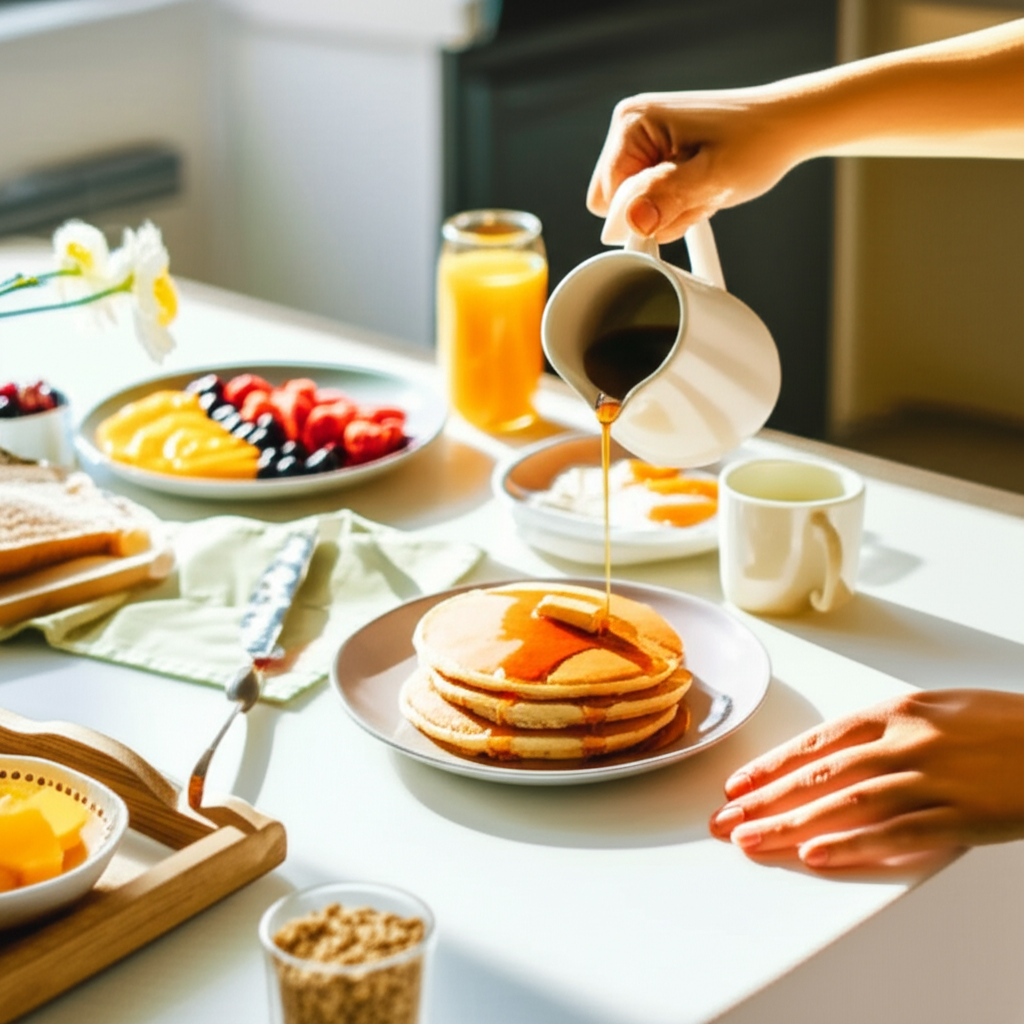
Yes, you absolutely can freeze homemade pancakes! It’s a fantastic way to enjoy your delicious creations anytime. Properly freezing pancakes preserves their texture and flavor, making them a convenient breakfast option ready to reheat in minutes.
Ever find yourself with a surplus of delicious, fluffy homemade pancakes? Or maybe you’ve whipped up a big batch on the weekend, only to wish you could enjoy them during the busy week? It’s a common kitchen conundrum! Many home cooks wonder if those perfectly golden discs can withstand the chill of the freezer and still be tasty when thawed. The good news is, they absolutely can! Freezing homemade pancakes is a brilliant way to save time and enjoy a homemade breakfast without all the morning prep. We’ll walk you through exactly how to do it, ensuring your frozen pancakes are just as delightful as when they were fresh off the griddle.
Can You Freeze Homemade Pancakes: The Essential Guide
There’s nothing quite like a stack of warm, fluffy pancakes. But who has the time to make them from scratch every morning? That’s where the magic of freezing comes in! If you’ve ever made a big batch of pancakes and wondered, “Can you freeze homemade pancakes?”, the answer is a resounding yes! Freezing is a fantastic method to preserve that homemade goodness for future enjoyment. It’s a simple process that can save you precious time on busy mornings, transforming your leftover pancakes into a quick and satisfying breakfast treat.
This guide is your go-to resource for understanding the best ways to freeze, store, and reheat your homemade pancakes. We’ll cover everything from the ideal cooling process to the best packaging methods, ensuring your frozen pancakes retain their delightful texture and flavor. Get ready to become a pancake-freezing pro!
Why Freeze Homemade Pancakes? The Benefits
Freezing homemade pancakes offers a multitude of advantages for busy individuals and families. It’s more than just convenience; it’s about smart kitchen management and enjoying quality food without the daily effort. Here are some of the key benefits:
- Time-Saving: This is the most significant benefit. On busy mornings, you can simply grab a few frozen pancakes and reheat them in minutes, saving you the time it would take to mix batter and cook them from scratch.
- Reduce Food Waste: If you’ve made too many pancakes, freezing them prevents them from going stale or being discarded. It’s an eco-friendly way to make the most of your ingredients.
- Cost-Effective: Making pancakes at home is generally cheaper than buying pre-made breakfast items or eating out. Freezing allows you to leverage this cost-saving by preparing larger batches when ingredients are on hand.
- Portion Control: You can freeze pancakes in individual portions or in small stacks, making it easy to reheat only what you need for a single serving.
- Consistent Breakfast: Having frozen pancakes means you can enjoy a homemade breakfast even when you’re short on time or energy. It guarantees a delicious and familiar start to your day.
- Great for Meal Prep: For those who love to meal prep, freezing pancakes is a natural fit. You can dedicate a cooking session to making pancakes, freezing them, and then incorporating them into your weekly meal plan.
The Best Way to Freeze Homemade Pancakes: A Step-by-Step Approach
Freezing pancakes is straightforward, but a few key steps ensure they come out tasting great. Follow this process for perfectly preserved pancakes:
Step 1: Cool the Pancakes Completely
This is the most crucial step. Never freeze warm or hot pancakes. Condensation will form as they cool, leading to soggy pancakes and ice crystals, which degrade their quality. Allow pancakes to cool on a wire rack for at least 15-30 minutes, or until they are at room temperature. A wire rack allows air to circulate, helping them cool evenly without steaming.
Step 2: Prepare for Freezing – Preventing Sticking
To prevent your frozen pancakes from sticking together in a solid clump, you need to freeze them individually first. This is often called “flash freezing.”
- Lay the cooled pancakes in a single layer on a baking sheet lined with parchment paper or wax paper. Ensure no pancakes are touching each other.
- Place the baking sheet in the freezer for about 1-2 hours, or until the pancakes are firm to the touch.
Step 3: Package for Long-Term Storage
Once the pancakes are frozen solid, it’s time to package them for long-term storage. This protects them from freezer burn and keeps them fresh.
- Remove the frozen pancakes from the baking sheet.
- Layer them with pieces of parchment paper or wax paper in between each pancake. This makes it easy to separate them later without thawing the whole batch.
- Place the layered pancakes into a heavy-duty freezer bag, a vacuum-sealed bag, or an airtight freezer-safe container.
- If using a freezer bag, press out as much air as possible before sealing it tightly. This is important to prevent freezer burn. You can even double-bag them for extra protection.
Step 4: Label and Store
Proper labeling is essential for knowing what you have and when it was frozen.
- Write the date and the type of pancakes (if you make different varieties) on the bag or container using a permanent marker.
- Store the packaged pancakes in your freezer.
How Long Can You Freeze Homemade Pancakes?
When stored correctly, homemade pancakes can last in the freezer for a good amount of time. The quality is best within the first 1-2 months, but they remain safe to eat for longer.
- Best Quality: 1-2 months
- Safe to Eat: Up to 3 months
Beyond 3 months, while still safe, you might notice a slight decline in texture or flavor due to potential freezer burn, even with good packaging. Always check for signs of freezer burn (dry, discolored patches) before reheating.
How to Reheat Frozen Pancakes
Reheating frozen pancakes is just as easy as freezing them! You have several convenient options, depending on your preference and available appliances.
1. Toaster or Toaster Oven
This is often the quickest method and works best for individual pancakes.
- Remove a frozen pancake from its packaging.
- If you froze them with parchment paper, you can often leave it on for the first heating cycle in the toaster oven, but it’s safer to remove it for a standard toaster.
- Place the pancake directly into the toaster slot or on the toaster oven rack.
- Toast on a low to medium setting. You might need to toast them twice. Keep a close eye to prevent burning.
- If using a toaster oven, you can also set it to a “warm” or “reheat” setting for a few minutes.
2. Microwave
This is the fastest method but can sometimes result in a slightly chewier or softer texture compared to other methods.
- Place one or two frozen pancakes on a microwave-safe plate.
- Add a damp paper towel over the pancakes. This helps to add moisture and prevent them from becoming too dry.
- Microwave on medium power (about 50%) for 30-60 seconds per pancake, or until heated through. Check after 30 seconds and continue in 15-second intervals if needed.
3. Oven or Toaster Oven (for a batch)
This is an excellent method if you’re reheating multiple pancakes and want them to be uniformly warm and slightly crisp.
- Preheat your oven or toaster oven to 350°F (175°C).
- Arrange the frozen pancakes in a single layer on a baking sheet. If you want them a bit crispier, you can line the baking sheet with parchment paper.
- Heat for 5-10 minutes, flipping them halfway through, until they are heated through and warmed to your liking.
4. Skillet or Griddle
This method brings back a nice crispiness and is great if you want them to taste almost freshly made.
- Heat a lightly oiled or buttered non-stick skillet or griddle over medium-low heat.
- Place the frozen pancakes directly onto the hot surface.
- Cook for 2-3 minutes per side, until heated through and golden brown. You may need to adjust the heat to prevent them from browning too quickly before the inside is warm.
Tips for the Best Frozen Pancakes
To ensure your frozen pancakes are a success, keep these tips in mind:
- Use Freshly Made Pancakes: While you can freeze almost any pancake, they’ll taste best if frozen shortly after being made and cooled.
- Don’t Overcook Before Freezing: Slightly undercooked pancakes can sometimes be better for freezing as they will finish cooking during reheating without becoming tough.
- Use Parchment Paper Liberally: It’s your best friend for preventing sticking. Don’t skimp on it between layers!
- Remove as Much Air as Possible: Air is the enemy of freshness in the freezer. Seal bags tightly or use a vacuum sealer if you have one.
- Consider Pancake Thickness: Thicker pancakes might take a bit longer to reheat thoroughly compared to thinner ones.
- Avoid Frosting or Toppings: Freeze plain pancakes. Add any toppings like syrup, whipped cream, or fruit after reheating.
Pancake Variations That Freeze Well
The beauty of pancakes is their versatility. Most basic pancake recipes freeze and reheat beautifully. Here are a few popular variations that are excellent candidates for freezing:
- Classic Buttermilk Pancakes: The tang of buttermilk holds up well to freezing.
- Whole Wheat Pancakes: The heartier texture of whole wheat is quite forgiving in the freezer.
- Blueberry or Chocolate Chip Pancakes: The fruit or chocolate chips are generally well-preserved. Ensure blueberries are fully cooled before freezing to prevent excess moisture.
- Banana Pancakes: The banana flavor often intensifies slightly after freezing and reheating, which many people enjoy.
- Pumpkin or Spice Pancakes: These flavorful pancakes are perfect for a quick autumn or winter treat when frozen.
It’s generally best to freeze pancakes without any wet toppings or fillings that could become soggy or affect the texture negatively during the freezing and thawing process. For example, if you’ve made pancakes with a cream cheese filling, it might be best to enjoy those fresh.
Table: Reheating Methods Compared
Here’s a quick comparison of the popular reheating methods to help you choose the best one for your needs:
| Method | Pros | Cons | Best For |
|---|---|---|---|
| Toaster/Toaster Oven | Fast, can achieve slight crispiness, good for single servings. | Can be tricky to get the right setting, risk of burning. | Quick, individual reheat. |
| Microwave | Fastest method, very convenient. | Can result in softer, chewier texture, potential for uneven heating. | Speed and convenience. |
| Oven/Toaster Oven (Batch) | Uniform heating, good for multiple pancakes, can achieve a pleasant warmth. | Takes longer than microwave, requires preheating. | Reheating several pancakes at once. |
| Skillet/Griddle | Excellent for restoring crispiness, almost like fresh. | Requires stovetop attention, can take slightly longer than microwave. | Achieving a crispy texture. |
Can You Freeze Pancake Batter?
While this guide focuses on freezing cooked pancakes, it’s worth noting that pancake batter can also be frozen, though with slightly different results. Some recipes freeze better than others. Generally, batters with leavening agents like baking powder or baking soda might lose some of their potency when frozen, leading to flatter pancakes upon reheating. It’s often recommended to use a recipe specifically designed for freezing batter, or to freeze batter that relies more on eggs for leavening.
If you choose to freeze batter:
- Prepare the batter as usual.
- Pour the batter into freezer-safe bags or containers.
- Label and freeze.
- When ready to use, thaw the batter in the refrigerator overnight.
- Whisk the batter well before cooking, as it may have separated. You might need to add a touch more liquid or a pinch more leavening agent if the batter seems flat.
For most home cooks, freezing the cooked pancakes is a more reliable and consistent method for achieving delicious results. For more information on food preservation, you can refer to resources from the U.S. Food & Drug Administration (FDA).
Frequently Asked Questions About Freezing Pancakes
1. Do frozen pancakes get soggy?
If you cool them completely and package them properly, frozen pancakes shouldn’t become soggy. Soggy pancakes are usually a result of freezing them while still warm, leading to condensation.
2. Can I freeze pancakes with syrup on them?
It’s best not to. Syrup is a liquid and can make the pancakes mushy and lead to freezer burn. Add syrup after reheating.
3. What’s the best way to separate frozen pancakes?
The parchment or wax paper between each pancake is key! If they are stuck, you can try gently bending the stack or using a thin, flexible spatula to ease them apart while still slightly frozen.
4. How do I know if my frozen pancakes have gone bad?
Look for signs of freezer burn: dry, icy, or discolored spots on the pancakes. If they smell off or have an unusual texture after reheating, it’s best to discard them.
5. Can I freeze gluten-free or vegan pancakes?
Yes, most gluten-free and vegan pancake recipes freeze and reheat well, following the same steps. Some gluten-free flours might result in a slightly different texture after freezing, but they are generally still very enjoyable.
6. Can I freeze leftover pancake batter?
Yes, you can freeze pancake batter. However, the leavening agents might lose some effectiveness, potentially resulting in flatter pancakes. It’s generally better to freeze cooked pancakes for more consistent results.
Conclusion
So, to answer the question: can you freeze homemade pancakes? Absolutely! It’s a simple yet incredibly effective strategy for ensuring you always have a delicious, homemade breakfast ready to go. By following these easy steps – cooling completely, flash freezing, proper packaging, and using the right reheating method – you can preserve the wonderful taste and texture of your homemade pancakes for weeks to come. No more morning rush stress; just grab, reheat, and enjoy a delightful stack anytime. Happy freezing, and even happier pancake eating!
