

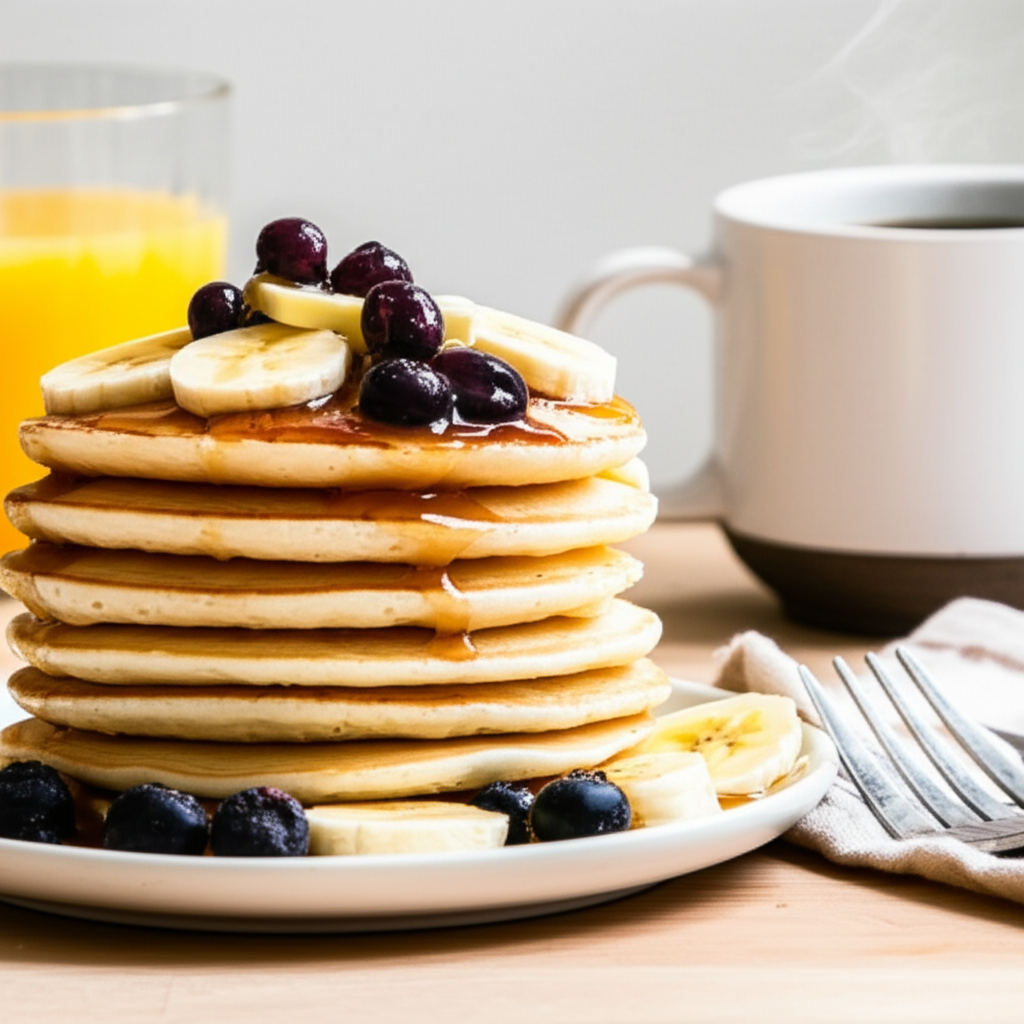
How many carbs in pancakes? A typical 4-inch classic pancake has about 15-20 grams of carbohydrates, but this can vary significantly based on ingredients, size, and toppings. This guide breaks down the carb count for different pancake types and offers tips for healthier choices.
Hey there, fellow home cooks! Ever stared at a pancake recipe, wondering about the carb count, especially if you’re watching your intake or just curious? You’re not alone! It’s a common question that pops up when we’re whipping up these breakfast favorites. Don’t worry, though. Making delicious pancakes, no matter your dietary goals, is totally achievable. We’ll dive into the nitty-gritty of pancake carbs, from classic buttermilk to healthier alternatives, and I’ll share some super simple tips to help you enjoy them without the guesswork.
Understanding Pancake Carbohydrates: The Basics
Carbohydrates are a primary source of energy for our bodies. In the context of pancakes, they mainly come from the flour used in the batter. The type of flour, along with any added sugars or sweeteners, significantly impacts the total carbohydrate content.
When we talk about “carbs in pancakes,” we’re usually referring to the total amount of carbohydrates per serving, which includes both simple and complex carbs. Simple carbs are quickly digested and can lead to a rapid rise in blood sugar, while complex carbs, found in whole grains, are digested more slowly and provide sustained energy.
What Makes Up the Carb Count?
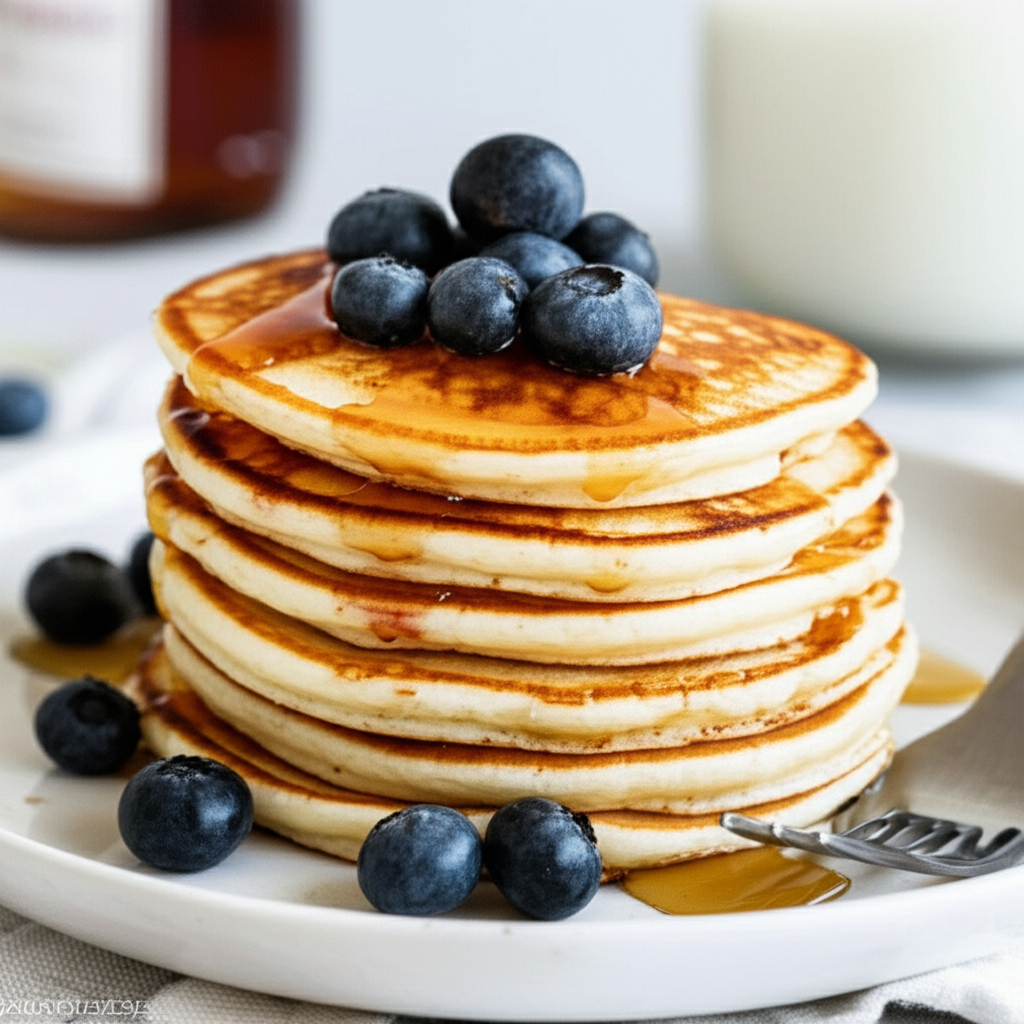
The carbohydrate count in your pancakes is primarily determined by these key ingredients:
- Flour: This is the biggest contributor. All-purpose flour, whole wheat flour, oat flour, or even gluten-free blends will have different carb profiles.
- Sweeteners: Sugar, honey, maple syrup, or artificial sweeteners all add to the carbohydrate tally, with natural sugars being the most significant.
- Milk/Liquid: While milk contains lactose (a natural sugar), its contribution to the total carb count is usually minor compared to flour and sweeteners.
- Add-ins: Ingredients like fruit (e.g., bananas, blueberries) or chocolate chips will also add to the carbohydrate and sugar content.
Carb Count Breakdown: Different Types of Pancakes
Let’s get down to the numbers! The carb content can change dramatically depending on the recipe. Here’s a look at common pancake types:
Classic Buttermilk Pancakes
These are the fluffy, golden-brown beauties many of us grew up with. A standard 4-inch (about 10 cm) buttermilk pancake made with all-purpose flour typically contains:
- Carbohydrates: Approximately 15-20 grams
- Sugar: Around 3-5 grams (mostly from added sugar and milk)
- Fiber: Less than 1 gram
Remember, this is for the pancake itself, before any syrup or butter is added!
Whole Wheat Pancakes
Made with whole wheat flour, these pancakes offer more fiber and a slightly different nutrient profile.
- Carbohydrates: Around 18-22 grams
- Sugar: Around 2-4 grams
- Fiber: Typically 2-4 grams
The increase in carbs is often minimal, but the added fiber can help with satiety and blood sugar management.
Oatmeal Pancakes
Oats are a fantastic source of complex carbohydrates and fiber. Oatmeal pancakes can be made by grinding oats into flour or adding rolled oats to a standard batter.
- Carbohydrates: Around 20-25 grams
- Sugar: Around 3-5 grams
- Fiber: Typically 3-5 grams
These tend to be more filling due to the higher fiber content.
Gluten-Free Pancakes
Gluten-free pancake mixes vary widely. Some use rice flour, almond flour, or a blend of starches and flours.
- Carbohydrates: Can range from 15-25 grams
- Sugar: Varies greatly by brand, from 2-8 grams
- Fiber: Usually low, around 1-2 grams, unless made with high-fiber gluten-free flours like almond or coconut.
It’s crucial to check the nutrition label on gluten-free mixes, as the carb counts can be surprisingly high, especially those relying heavily on refined starches.
Protein Pancakes
These are often made with added protein powder (whey, casein, or plant-based) or ingredients like Greek yogurt and egg whites.
- Carbohydrates: Can range from 10-20 grams
- Sugar: Varies, but often lower if sweetened with sugar substitutes.
- Fiber: Typically 1-3 grams
The protein boost helps balance the carbohydrate intake, promoting satiety.
Savory Pancakes (e.g., Buckwheat or Cornmeal)
Savory pancakes often use flours like buckwheat or cornmeal, and typically have less or no added sugar.
- Carbohydrates: Around 15-20 grams (buckwheat) or 10-15 grams (cornmeal)
- Sugar: Very low, often less than 1 gram
- Fiber: Can be moderate, especially with buckwheat.
These are a great option for a lower-sugar breakfast.
Factors Influencing Carb Count
Beyond the type of flour, several other factors can influence how many carbs end up on your plate:
Serving Size
This is the most obvious factor! A larger pancake or having multiple pancakes will naturally increase your carbohydrate intake. A standard 4-inch pancake is a good reference point, but if you make yours bigger, the carb count goes up proportionally.
Added Sugars and Sweeteners
Recipes that call for a lot of sugar, honey, maple syrup, or other sweeteners in the batter will have a higher overall carbohydrate and sugar count. If you’re aiming for lower carbs, consider using sugar substitutes or reducing the amount of sugar.
Add-ins and Toppings
Don’t forget the extras! Fruits like bananas and berries add natural sugars and carbs. Chocolate chips, sweetened yogurts, and, of course, syrups and jams can significantly boost the carb and sugar content of your meal.
For example, adding 1/4 cup of blueberries adds about 5-7 grams of carbs, and a tablespoon of maple syrup adds about 13 grams of carbs.
Making Healthier Pancake Choices
Want to enjoy pancakes while being mindful of your carb intake? Here are some genius tips:
- Choose Whole Grains: Opt for whole wheat flour, oat flour, or buckwheat flour. These provide more fiber and nutrients. You can even make your own oat flour by simply blending rolled oats in a high-speed blender or food processor until fine.
- Reduce Added Sugar: Cut back on the sugar in your recipe or use natural sweeteners sparingly. Consider sugar substitutes like stevia or erythritol if you’re very carb-conscious, but be mindful that some substitutes can affect the texture and taste.
- Boost Protein and Fiber: Add ingredients like Greek yogurt, cottage cheese, protein powder, or chia seeds to your batter. This can help make your pancakes more filling and balance the carb impact.
- Control Portion Sizes: Stick to a reasonable serving size, perhaps one or two smaller pancakes.
- Be Mindful of Toppings: Choose toppings wisely. Fresh fruit, a dollop of plain Greek yogurt, or a small amount of natural peanut butter are great options. Limit syrup, jam, and sugary sauces.
- Read Labels: If using a pre-made mix, always check the nutrition label for carbohydrate and sugar content.
DIY Healthy Pancake Recipe Example (Lower Carb Focus)
Here’s a simple recipe that’s a bit lighter on the carbs and higher on the protein and fiber, perfect for beginners!
Ingredients:
- 1 cup whole wheat flour (or oat flour)
- 1 tablespoon baking powder
- 1/2 teaspoon salt
- 1 tablespoon sweetener (optional, e.g., erythritol or a small amount of maple syrup)
- 1 cup milk (or unsweetened almond milk)
- 1 large egg
- 2 tablespoons melted butter or coconut oil
- 1/4 cup plain Greek yogurt (optional, for extra protein)
Instructions:
- Mix Dry Ingredients: In a large bowl, whisk together the flour, baking powder, salt, and sweetener (if using).
- Mix Wet Ingredients: In a separate bowl, whisk together the milk, egg, melted butter/oil, and Greek yogurt (if using).
- Combine: Pour the wet ingredients into the dry ingredients. Stir gently until just combined. A few lumps are okay! Overmixing can make pancakes tough. For lighter, fluffier pancakes, let the batter rest for 5-10 minutes.
- Cook: Heat a lightly oiled griddle or frying pan over medium heat. Pour about 1/4 cup of batter onto the hot surface for each pancake. Cook for 2-3 minutes per side, or until golden brown and cooked through. Flip when you see bubbles forming on the surface.
This recipe makes about 6-8 pancakes, each around 4 inches. The carb count will be roughly 12-15 grams per pancake, depending on the exact ingredients used.
Tools You’ll Need
You don’t need fancy gadgets to make great pancakes! Here are the essentials:
- Mixing Bowls: At least two – one for dry ingredients, one for wet.
- Whisk: For combining ingredients smoothly.
- Measuring Cups and Spoons: Accuracy is key for good results.
- Griddle or Frying Pan: Non-stick is a beginner’s best friend!
- Spatula: For flipping those delicious pancakes.
- Ladle or Measuring Cup: For pouring consistent amounts of batter.
For those interested in understanding flour properties better, resources from university extension offices, like those from Oregon State University Extension, can provide insights into how different flours behave in baking.
Frequently Asked Questions (FAQ)
Q1: How many carbs are in a stack of 3 pancakes?
A: A stack of three 4-inch classic pancakes would have roughly 45-60 grams of carbohydrates, not including toppings. This can vary based on the specific recipe and size.
Q2: Are pancakes high in carbs?
A: Yes, traditional pancakes made with white flour and sugar are generally considered high in carbohydrates, primarily from the flour and any added sweeteners.
Q3: Can I eat pancakes on a low-carb diet?
A: Traditional pancakes are usually not suitable for a strict low-carb diet. However, you can make or find low-carb pancake recipes using alternative flours like almond flour, coconut flour, or protein powder, which significantly reduce the carbohydrate content.
Q4: How many carbs are in pancake mix?
A: The carbohydrate count in pancake mix varies widely. A typical serving (about 1/2 cup of mix) can contain anywhere from 20-30 grams of carbohydrates. Always check the nutrition label on the specific brand you are using.
Q5: What are the healthiest pancake toppings for carb control?
A: For carb control, opt for toppings like fresh berries (in moderation), plain Greek yogurt, a small amount of nut butter, or a sprinkle of cinnamon. Avoid sugary syrups, jams, and whipped cream.
Q6: Do whole wheat pancakes have fewer carbs than white flour pancakes?
A: Whole wheat pancakes generally have a similar or slightly higher carbohydrate count than white flour pancakes, but they offer more fiber and nutrients, which can make them a more filling and balanced choice.
Q7: How can I make my pancakes more filling?
A: To make your pancakes more filling, increase the protein and fiber content. Add ingredients like Greek yogurt, cottage cheese, protein powder, eggs, or fiber-rich flours like oat or buckwheat. This helps slow digestion and keeps you satisfied longer.
Conclusion
So, there you have it! Understanding “how many carbs are in pancakes” is all about looking at the ingredients and portion sizes. A standard 4-inch pancake hovers around 15-20 grams of carbs, but you have so much power to adjust this.
Whether you stick to the classic or venture into whole wheat, oat, or even low-carb alternatives, pancakes can absolutely be part of a balanced breakfast. By making smart choices with flours, sweeteners, and toppings, you can whip up a batch that tastes amazing and fits your needs. Don’t be afraid to experiment in the kitchen – the most delicious discoveries often happen when we try something new!
Happy pancake making!
